
In today’s retail context, marked by digitalization, inflation, and increasingly value-sensitive consumers, successful retail chains combine analytical approaches with commercial creativity. Global consultancies warn that improper pricing can cause rapid loss of customers and margins, while those who develop strong pricing strategies or pricing capabilities achieve sustained improvements in sales and profitability.
To achieve this, advanced data models, demand segmentation, competitive analysis, and continuous experimentation are used: for example, McKinsey describes how the most competitive retailers employ econometrics, heuristic scoring models, and real-time “price experiments” to adjust rates based on elasticities, promotions, and customer perceptions.
A BCG study agrees that the combination of dynamic pricing and promotion tactics must be completely re-evaluated in inflationary and digital environments; those who incorporate artificial intelligence and predictive analytics gain additional revenue and margin benefits.
In short, the challenge is to align financial objectives and value proposition with cost structure, consumer demand, and competitor actions, adapting pricing strategy to each product category and sales channel.
Determinant Factors of Pricing Strategies
Price setting in retail involves weighing multiple factors. On one hand, consumer habits and perceptions influence: perceived value, price sensitivity (elasticity), and purchase motivations (low price vs. exclusivity). For example, in luxury segments elasticity tends to be lower, allowing high margins to be maintained, while in mass consumer goods price competition is very intense and a small difference can change brand choice. On the other hand, internal and competitive variables influence: costs (production, logistics, desired margins), strategic positioning (brand image, target market share), and the rules of competitive play (competitors’ offers, legal requirements or regulatory changes).
In practice, according to Team Core, a retailer must decide between low-price strategies to gain volume or high-price strategies to privilege unit margin, as well as differentiate prices by customer segments, territories, or channels according to willingness to pay. Additionally, the product life cycle and seasonality dictate adjustments: in fashion, for example, an item may launch at high prices and later be discounted at season end, while in electronics technological devices drop in price quickly after new models launch.
Globally, the recent trend is towards dynamic and personalized pricing models. Thanks to market data and online analytics, many retailers calibrate prices in real time. McKinsey highlights that price leaders incorporate “scorecards” for each item, weighing demand, competition, and internal conditions. Controlled experiments in ecommerce are also used to adjust rates by region or channel, measuring customer response. Artificial intelligence (AI) reinforces this process: according to BCG, retailers adopting AI-driven dynamic solutions record additional growth of 2–5% in revenues and profits, while maintaining stable perceived value for consumers.
Pricing Strategies by Product Category
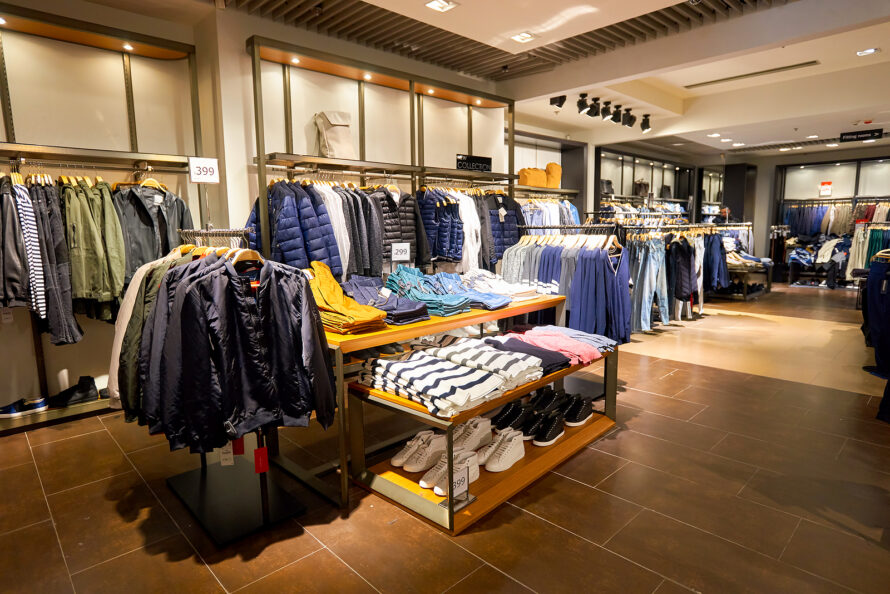
In the fashion sector, prices also serve as brand positioning signals. Luxury brands use high prices as a sign of exclusivity, while low-cost chains focus on volume with narrower margins. Oracle notes that fashion companies thoroughly consider the life cycle of each garment: items are highly cyclical and seasonal, so after the initial demand peak retailers apply inevitable discounts to clear inventory.
The pricing process combines cost analysis with market studies and trends: demand elasticities, desired target price, and joint product attribute analysis are weighted. In practice, a fashion brand decides how much inventory to sell at each price tag, balancing volume and margin. For example, budget-oriented brands set consistently low prices to gain share, mid-segment (fast fashion) brands start with moderate prices and apply gradual discounts, and high-end brands use skimming strategies: very high initial prices moderated only when other market signals (arrival of competitors, season end) require it.
Fashion companies also use reference pricing techniques (on “Suggested Price” tags) and adjust according to actual customer response. Pricing decisions in this sector must “feed” the brand identity perceived by consumers: a price too low can devalue an aspirational product, while too high prices on an everyday use product (like a daily dress) may close the demand window.
Competition in fashion is fierce and global. Established brands compete with emerging designers and off-price retailers (outlets or designer discount retailers). Fashion eCommerce businesses particularly monitor rivals’ pricing in detail; comparative pricing strategies are common where discounts are offered versus direct competitors. However, this “price race” can erode long-term profits if unchecked. Also, responding to consumer behavior is key in fashion: studies show many fashion buyers research online and expect promotions, especially during events like Black Friday or seasonal sales. This forces fashion chains to plan sales periods without harming value perception. Additionally, in the digital era practices like geo-localized dynamic pricing or personalized prices based on user purchase history emerge, leveraging browsing and social media data. In sum, fashion pricing combines strategic setting (e.g. segmenting prices by product line) with programmed markdown tactics to maximize sales without sacrificing brand image.
-
Self-Service and Supermarkets
Self-service retail (supermarkets, large food stores, pharmacies) operates under low margin and high frequency logics. Prices play a decisive role in attracting traffic. A common approach is the “loss leader” or loss leaders strategy: selling basic items (milk, bread, rice) at cost price or even below to generate store visits, hoping customers also buy higher-margin products (snacks, drinks, cleaning products, etc.). For example, chains like Mercadona or Carrefour offer these essentials cheap to attract customers, compensating low loss-leader profit with extra basket revenues.
This is a classic supermarket model: very low prices on high-turnover items to stimulate volume purchases. Additionally, supermarkets alternate between everyday low prices (EDLP) and price-promotion strategies (high-low). In many markets, the “Every Day Low Prices,” “Always Low Prices,” or “The Low Price Champion” model popularized by Walmart and Bodega Aurrera is imitated. In Brazil, for instance, Walmart adopted the EDLP approach and achieved notable sales growth (reaching +8.6% quarter-over-quarter) by offering more stable and transparent prices.
Other retailers combine this with periodic discount campaigns or coupons. In Latin America, the “3×2” or “2×1” multiple purchase discount tactic is common (as Soriana does with its Julio Regalado season) to clear perishables or introduce novelties. Psychological pricing is also common: prices often end in 9 (e.g., 9.99 instead of 10), influencing the perception of a “deal.”
Elasticity for self-service products is high: consumers compare prices across chains and value punctual offers. Studies such as NielsenIQ show that in markets like Mexico over 80% of buyers research prices on multiple sites before purchasing, and about half wait for promotions to finalize their purchase. This results in constant competitive pressure: retailers adjust prices based on competitors and market response. However, McKinsey warns that solely following rivals can lead to unsustainable price wars.
In practice, many supermarkets configure internal algorithms to update prices on holidays or according to input inflation. In recent years, value-seeking has dominated global self-service. McKinsey observes that after the pandemic recession and high inflation, Latin American consumers buy smaller quantities and opt for cheaper products or private labels.
In the region, penetration of private labels or store brands is very high (e.g., in Mexico nearly all families buy store-brand products) and their value growth exceeds global levels. Food retailers have responded by strengthening private label lines and expanding budget-sized packages. Price differences between leader brands and private labels may exceed 20–30%, making promotion of cheaper options crucial. Moreover, supermarkets complement their channel today with value and convenience formats: discounters, neighborhood stores, and food eCommerce. In Latin America, these low-price chains and web shoppers are the fastest-growing segments. Consequently, traditional supermarkets adjust strategies: e.g., placing offers more frequently in basic categories, diversifying digital channels with home delivery, and applying big data analytics to optimize personalized promotions based on shopper profiles.
-
Consumer Electronics and Technology
The consumer electronics sector perhaps best exemplifies global competitive pressure. Technological products (smartphones, TVs, appliances) have short life cycles: when a new model launches, previous ones quickly depreciate. Thus, typical strategy is reverse skimming: high launch prices followed by aggressive discounts. Many retailers and manufacturers use dynamic pricing according to supply and inventory: e.g., instant automated discounts trigger when sales drop. Online sales dominate this segment; ecommerce giants like Amazon or Mercado Libre in Latin America update prices thousands of times daily with algorithms reacting to competition and demand behavior. A 2022 study shows Amazon can vary a product’s price up to 20% in critical hours.
Another frequent tactic is penetration with add-ons: a device or gadget is sold at a very competitive price (sometimes even zero cost) to make profit on accessories or related services later. Shopify notes this is common in consumer electronics: mobiles and consoles are offered very cheaply to profit on chargers, software, extended warranties, or consumables. Thus, the base product price acts as a hook to attract customers to a platform or ecosystem, relying on upselling higher-margin items.
Competition in electronics is global and intense: not only local rivals but also international online sellers offer very low costs. In markets like Mexico and Brazil, tariffs and taxes increase import prices, so final prices are usually higher than in the US or Europe. To mitigate this, interest-free financing or installment promotions are common. Also, price transparency is essential: many consumers instantly compare online and offline sellers. Nielsen highlights that for Mexican ecommerce buyers “price remains the most relevant factor,” with 8 out of 10 comparing prices across stores before deciding. This reinforces the importance of policies like price matching guarantees (“price match”) and maintaining competitive offers on digital platforms.
In summary, electronics pricing favors flexible, data-driven strategies: combining high initial prices with decreasing ones; launching punctual promotions (e.g., Cyber Monday); and using online pricing tools. This aggressiveness relies on the elasticity typical of technology products, as purchase timing is often deferrable and substitutable. A successful electronics retailer monitors daily consumer responses to price changes, adjusting prices quickly to maximize sales volume without cannibalizing margins.
Influence of Competition and Consumer on Pricing Strategy
Across all categories, competitive environment and consumer behavior dictate price adjustments. When competition is intense and highly fragmented (e.g., supermarkets or online stores), retailers often resort to competition-based pricing: setting prices at the lowest sustainable level, barely below the cheapest rival. This “comparative strategy” can attract price-sensitive customers but Shopify warns it causes mutual erosion of profits long-term. Thus, many chains balance this with temporary promotions (seasonal discounts, exclusive coupons) to avoid sacrificing base prices. Also, when product offers are very standardized (e.g., milk from leading brands), consumers essentially compare by price, making it essential to offer the lowest price at the key moment.
Conversely, when products have added value or retail is partially segmented, room exists for more sophisticated strategies. For example, luxury fashion clients value status over price, so companies can maintain rigid pricing policies and leverage brand prestige (elitist pricing). Similarly, in high-end technology (e.g., innovative gadgets), high prices are applied initially while early adopters pay for novelty. Later, skimming (discounts) or exclusive service bundling is implemented to reach majority of the market.
Channel differences also induce different approaches: dynamic, customer-specific pricing is increasingly common in ecommerce (based on browsing profile or purchase history) or geographic variations. Physical stores use anchor pricing tactics: showing a high price on packaging then offering a “sale price” so buyers perceive a big discount. Point-of-sale prices often end in 9 or 90 (e.g., 199, 9,990) to project low prices.
Supermarket apps show “price per unit” or weight for transparency and easier mental comparisons. Ultimately, consumer response is central: prices are planned to appear consistent with quality and segment, varied until demand (and retention metrics) indicate the optimal level.
Latin America: Predominant Practices, Challenges, and Trends
In Latin America, pricing strategies follow the same global logic but adapt to local realities. The region faces high economic volatility: many countries have experienced persistent inflation (6% average annually across several markets) and recent devaluations. Therefore, Latin consumers have adopted a constant search for value. McKinsey documents that in recent years, household purchasing power in the region fell about 25% due to inflation, and customers responded by buying smaller portions and switching to cheaper products (private labels, generic categories).
In that context, food retail chains are tightening their prices while doubling down on essential products: they prioritize offers on staples (cereals, legumes, dairy) and reduce the assortment of slow-moving premium items. According to NielsenIQ, in Latin America, private/store brands are growing at an annualized rate of 14.2%, far above the global 5.6%, and they already account for nearly 9% of consumer spending on fast-moving consumer goods. In addition, 2 out of every 10 purchases include at least one private-label product. This means a dominant tactic in the region is private label: retailers like Tiendas 3B develop their own lines with acceptable quality at lower prices, capturing inflation-wary shoppers.
The channel landscape in Latin America also shapes pricing policies. The McKinsey study cited above highlights four key trends for the regional food retail sector:
- The quest for value
- The transformation of the channel mix (growth of modern supermarkets and discounters)
- The rise of private/store brands
- The acceleration of e-commerce
In many countries, traditional commerce (neighborhood shops, open-air markets) is ceding ground to supermarkets and discounters (models like Aldi/Dia/Bodega Aurrera/Tiendas 3B), which attract customers with fixed low prices. For example, discount chains show the fastest growth— in some markets they account for more than 25% of total sales—driven by more frequent trips from value-seeking consumers. In parallel, eCommerce is growing at double digits (in 2024, roughly +44% in Latin America according to McKinsey), forcing supermarkets with an online channel to align their prices with digital platforms and offer internet-only promotions. All this is pushing retailers to implement omnichannel pricing analytics solutions or Omnichannel strategies, where a product may have different prices in-store, on the website, and in the app, based on consumer response in each medium.
Structural challenges in the region also influence price setting. In many Latin American countries, logistics costs and tax burdens drive up final prices. In Brazil, for example, taxes on imported goods (both technology and food) mean global prices must be heavily adjusted upon entering the local market. Brazilian retailers therefore often resort to multiple interest-free installments to make costly products (e.g., major appliances, electronics) more accessible. In Mexico, informal economies and unregulated markets or tianguis still absorb a significant share of demand. This puts downward pressure on prices in the formal segment: large supermarkets compete not only with other supermarkets but also with tianguis (street markets) and convenience stores (such as OXXO) that offer essential goods (some at lower prices, as in tianguis) in small quantities. In this environment, discounts on basic products or the use of loyalty programs (delivering personalized offers through cards or apps) are common tools to retain customers.
What’s happening with prices in Mexico?
In Mexico, price sensitivity is very pronounced. NielsenIQ studies reveal that eight out of ten Mexican consumers actively compare prices online before buying, and 44% even wait for a product to go on promotion before deciding. This profile pushed local retailers to sharpen their promotional pricing strategies: frequent offers (2×1, 3×2, seasonal discounts), psychological pricing (for example, ending in .90 or .99), and “happy hour” campaigns with flash discounts in supermarkets. At the same time, the growing importance of e-commerce means online prices often reflect aggressive tactics: platforms like Amazon México or Mercado Libre include comparators and alerts, so maintaining a competitive price is essential.
Private labels are especially relevant in Mexico. According to Mexico Business, under inflationary pressure, 69% of Mexican consumers consider store brands or private labels as valid alternatives to national or foreign brands. In addition, 58% perceive them as equal or superior in quality, and 70% see them as high-value options. This means Mexican retailers are betting heavily on private labels: groups such as Walmart de México y Centroamérica (e.g., Bodega Aurrera, Great Value, Equate, Parent’s Choice, Member’s Mark from Sam’s Club, Market Side, Medimart, Extra Special, Athletics Works, and Atvio from Walmart) and Tiendas 3B (e.g., Zenker Lab, Best Race, Krusty Paleta, Nuestro Campo, Vaca Blanca, among others) have expanded their own lines, promoting them as economical options. NielsenIQ even notes that branded products typically sell at an average premium of 26% over the private-label equivalent, which has accelerated the shift toward generics. In fact, in Mexico almost all households consume private-label products, allocating about 9% of their spending to them (more evenly distributed across socioeconomic levels than in other countries).
Finally, omnichannel strategies and loyalty programs are closely linked to pricing. With the rising adoption of grocery home delivery (and growing use of supermarket apps), many Mexican retailers offer personalized coupons in their digital channels, combining low prices with exclusive benefits (free shipping, points accrual, etc.). Given that the regulatory environment and political competition can be fluid, companies maintain very vigilant price management to react quickly to tax adjustments or competitor moves. The Mexican market combines intense price competition with increasing digital sophistication to build customer loyalty.
What’s happening with prices in Brazil?
Brazil shares Mexico’s macroeconomic volatility but shows important differences in retail pricing. On average, Brazilian consumers are less inclined toward private labels: only 48% of households buy private labels regularly, and these account for just 1% of total household spending. This contrasts with other markets in the region and explains why Brazilian retail chains have taken longer to develop their generic lines. Nevertheless, the trend is changing: EY reports that in Brazil, private labels “have gained popularity as an alternative to offer affordable products without sacrificing quality.”
Some Brazilian giants (Açai, Carrefour Brasil, Grupo Pão de Açúcar) are increasing their private-label offerings to capture price-sensitive consumers after recent inflation spikes. On the other hand, Brazilian retail faces a competitive environment with strong foreign companies (Casino/PAO, Carrefour, and Walmart prior to its exit) and a large domestic market. As in Mexico, interest-free installment payments are common for durable consumer goods, and periodic promotions (especially during the year-end season) are massive. However, Brazilian retailers have explored their own innovations: for example, the “everyday low prices” system implemented by Walmart Brasil in the early 2010s showed that setting permanently low prices could regain sales traction.
The EDLP (Every Day Low Price) strategy will likely continue for essential goods, while time-limited offers remain in place for electronics and other fast-moving categories. In Brazil, the digitalization of retail also affects prices. Although online grocery penetration is lower than in Mexico, online sales grew by around 30% in 2024. This forces supermarkets and convenience stores (e.g., Pão de Açúcar offers same-day delivery) to keep price lists updated on websites and apps. In addition, retailers are introducing advanced pricing solutions in digital channels: using demand analytics and segmenting promotions by region (São Paulo vs. other states).
As for challenges, Brazil faces high logistics costs due to its vast territory, which means many retailers pass that burden on to final prices. Coupled with the heavy tax burden on imported products (technology, for example), this reinforces the need for competitive local strategies.
In terms of trends, two factors stand out in Brazil: collaboration between retailers and fintechs to offer financing, and sustainability as an emerging differentiator. While price remains crucial, advanced chains (such as Magazine Luiza, Via Varejo) invest in artificial intelligence systems to adjust prices in real time and personalize offers in physical stores. For example, there is also a reported increase in omni-pricing: adaptive structures that consider the customer’s financial position (e.g., blenders or motorcycles segmented by income profile).
In short, Brazil is steering its strategies toward a balance between cost control and technology adoption, seeking to offer accessible prices without sacrificing the shopping experience.
What can we conclude from this?
Pricing strategies in retail combine science and art. Globally, the market is pushing retailers to build robust analytical capabilities that allow price adjustments through algorithms based on consumption data, costs, and competition. However, concrete practices vary widely by product category: what works in fashion (short life cycle with deep end-of-season markdowns) differs from tactics in grocery (loss leaders, frequent promotions) or electronics (dynamic pricing, bundling, and discounting prior models).
The competitive context and consumer expectations dictate much of this diversity. In Latin America, particularly in Mexico and Brazil, retailers are redesigning their pricing approaches to adapt to inflation-driven sensitivity and digital acceleration. In Mexico, there is fierce price competition and a rapid shift toward private labels in response to eroded purchasing power. In Brazil, the trend is more gradual but equally present: initiatives for permanently low prices are increasing, and technological partnerships are being explored to fine-tune pricing.
Both markets, however, share the same underlying premise: modern retail requires rigorously balancing cost control with investments in market intelligence, offering prices that reflect real value without compromising the company’s financial viability. As analysts warn, in this era of “record” price competition, those who master data-driven pricing strategies will be better positioned to sustain market share and profitability.
MUST Read Articles:
link