
Liverpool City Region’s creative industries are entering a period of significant opportunity, with industry leaders identifying collaboration, targeted investment and scale-up support as key to driving the next phase of growth.
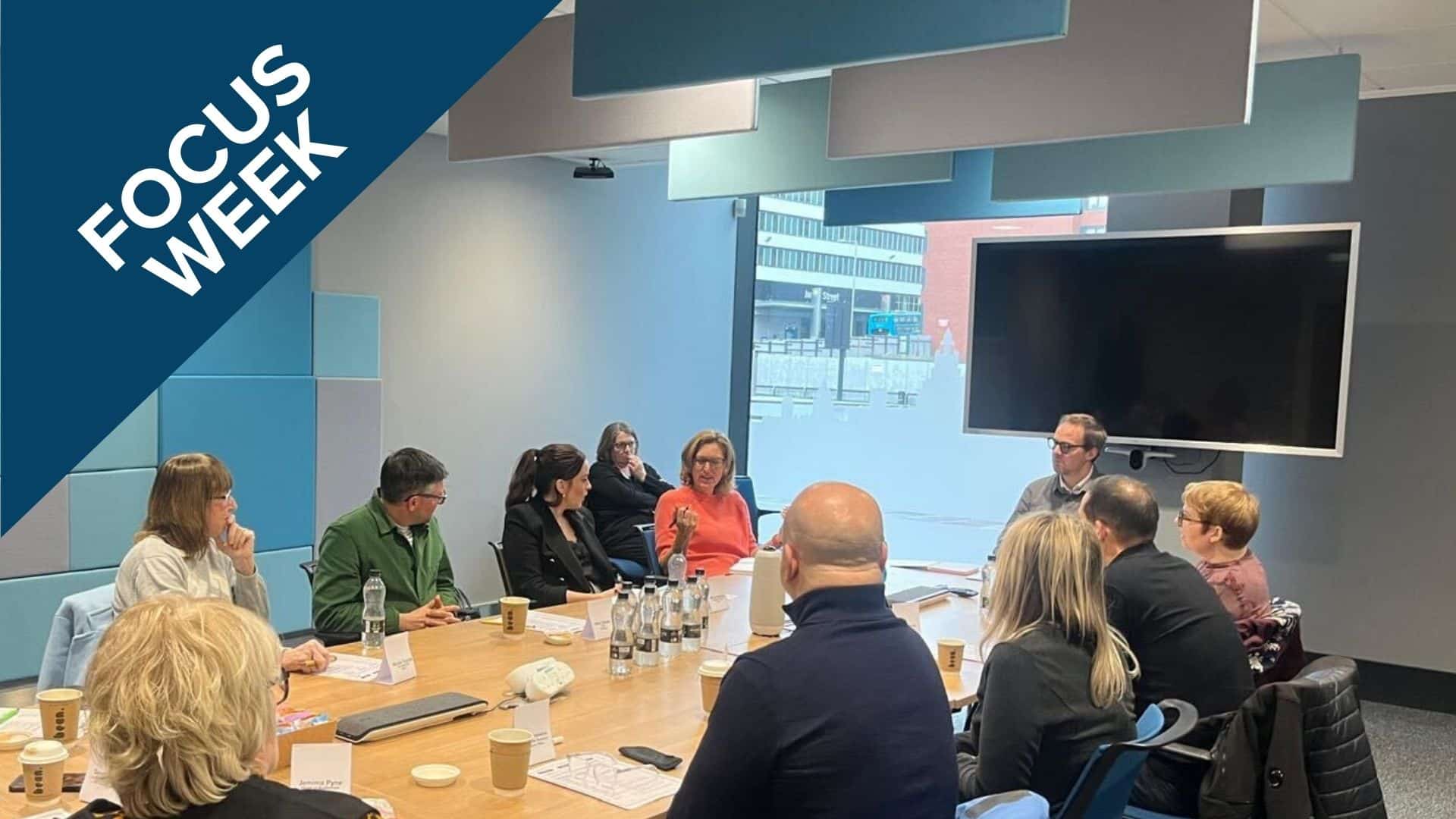
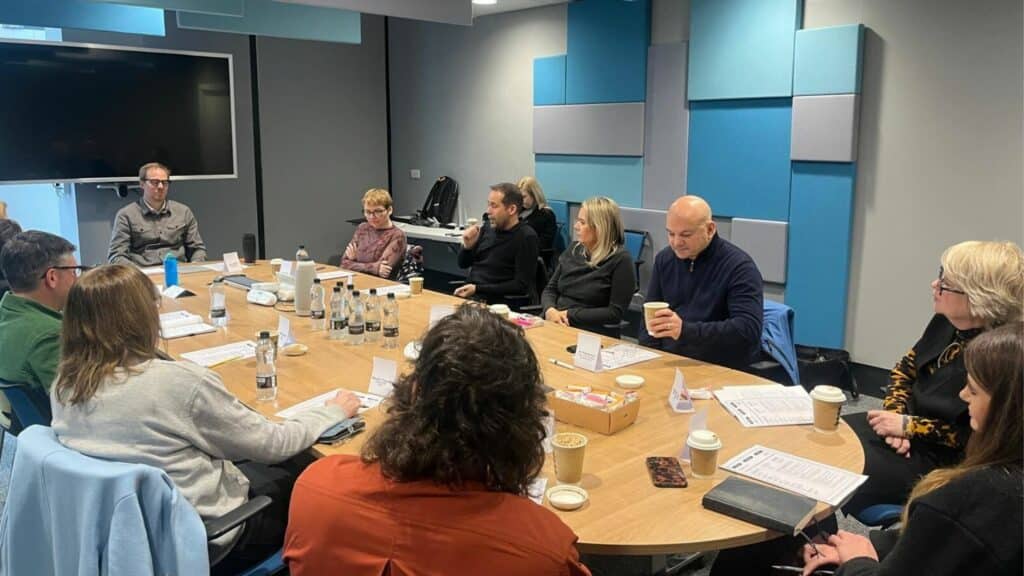
These themes took centre stage at a roundtable hosted by Prolific North in partnership with Growth Platform on 11 November, bringing together leaders from across the region’s creative industries as part of our special focus week on Liverpool City Region.
The discussion follows a pivotal moment for the Liverpool City Region. Recently named a priority growth area by the Department for Culture, Media and Sport, the region is set to receive £25m through the Creative Places Growth Fund.
READ MORE: Liverpool’s creative economy accelerates with record investment and bold new strategy
It’s also timely as Liverpool City Region’s Creative Industries Board, set up last year as a leading voice for growing the sector, has just released a Strategy and Action Plan, setting out ambitions to stimulate growth and unlock new opportunities.
Today’s coverage of the roundtable focuses on the momentum already building across the sector, the creative businesses driving this progress, and the shared ambition to showcase Liverpool City Region’s creative strengths. Tomorrow, we wrap up the final part of our roundtable coverage with a look at the advantages of connecting into a wider Northern creative ecosystem and local priorities.
Attendees:
- David Prior, Partnerships Editor and event chair, Prolific North
- Helen Cross, Creative Industries lead, Growth Platform
- Helen Calder, Head Ginger, Gingerhead Marketing
- Chris Holmes, Managing Director, Virtuopo
- Louise Kemp, Director, Nineteen Agency
- Sol Papadopoulos, Owner and film producer, Hurricane Films
- Jemima Pyne, Head of Audiences, TATE
- Sarah O’Brien, Managing Director, Re-culture agency
- Jack Dotchin, Director, Flatdot Marketing
- Nicola Triscott, Director/CEO, FACT
- Nick Howe, CEO, Uniform
- Nicola Docking, Managing Director, Poke Marketing
- Becky Ayre, MD, Sound City (not in attendance but contributed her views afterwards)
Business support: what’s working and what’s needed
Opening the discussion, Helen Cross, Creative Industries Lead at Liverpool City Region Combined Authority, emphasised the significance of the new Strategy and Action Plan.
Its aim, she said, is to build on what is already thriving across the region’s creative industries and to provide the support businesses need to scale: “We want the business community to lead in the solutions for the creative industries here.”
To do that, the conversation set out to explore key challenges and opportunities facing those creative businesses, considering where future investment could have the greatest impact on business growth.
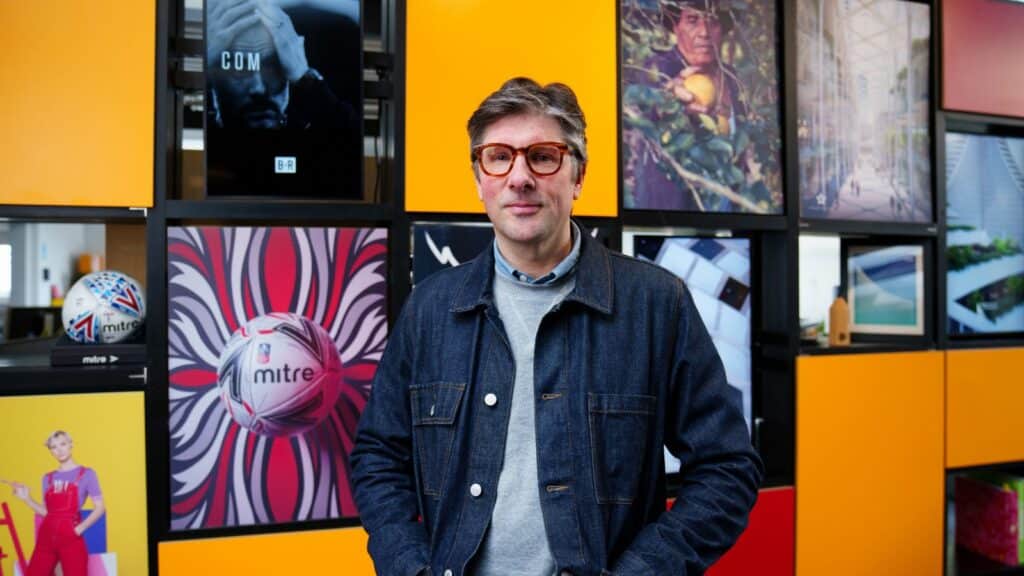
Many creative leaders in the room highlighted the positive impact of past and current support initiatives. Leading a successful, growing creative agency group he set up straight out of university in 1998, Nick Howe (Uniform) pointed to how European Regional Development Fund (ERDF) support allowed his business to “double in size”, launch new services, boost its turnover and expand into London — a clear example of how targeted interventions can accelerate growth. “It was a real, significant turning point,” he said.
There was also recognition of successful public sector investment across the arts and cultural landscape. Tate Liverpool’s funding support from DCMS (the government’s Department for Culture, Media and Sport) has been “incredibly supportive,” said Jemima Pyne. Helping to maintain the organisation’s role as a cultural anchor for the region, Tate Liverpool’s building at the Royal Albert Dock has been undergoing a major £29.7m refurbishment.
Others championed the importance and need for bespoke programmes such as Form’s ‘Beyond’ scale-up support programme, which provided tailored consultancy and coaching to help growing businesses across the region.
Nicola Docking (Poke Marketing) explained how her growing creative marketing agency, founded in 2020, benefited from the programme, which came at a “perfect time” and helped to steer the business in the right direction.
And while early-stage support in the city region is “really good”, several leaders noted that the next big opportunity for creative growth lies in creating more structured pathways for businesses wanting to “scale and innovate”.
For Sarah O’Brien (Re-culture Agency), who is also the co-founder of Make Thread, a fashion tech company focused on sustainable fashion, the creation of dedicated hubs or programmes for “more established creatives” could build on the success of spaces like the Baltic Triangle, which has already nurtured many start-ups to date.
Highlighting the pressures of running a small business, especially in the early years when cash flow can be tight, what would be “really helpful” to businesses is if future funding schemes had “clear parameters” upfront, said Helen Calder (Gingerhead Marketing). For example, whether innovative ideas that don’t fit strict funding criteria can still be considered, and which types of businesses would be eligible.
As a female-led brand and marketing agency, after 10 years in business, Calder is preparing to grow her agency “quite fast” and highlighted how more scale-up support would be beneficial to companies like hers.
Liverpool’s thriving film and TV sector regularly draws major productions to the city, from The Batman to Peaky Blinders. One of the regional businesses contributing to the sector’s success in Liverpool is Hurricane Films, a boutique production company founded in 2000, with its work spanning documentaries, feature films and BAFTA-nominated titles such as Of Time & The City.
Founder Sol Papadopoulos (Hurricane Films) explained how his business benefited from the Liverpool City Region Production Fund during Covid, especially when it temporarily adapted to provide development funding.
At a time when the entire film and TV industry was hit hard by the pandemic, the expanded film fund allowed his company to develop three projects and ultimately kept the business going “all the way” throughout Covid.
And after Liverpool was designated as a UNESCO City of Music in 2015, the music sector has also enjoyed “substantial returns” from targeted investment. Becky Ayres, managing director of Liverpool’s Sound City festival and industry conference, highlighted the music sector as a “huge driver” for the city region’s economy, not just for jobs and growth but for young people who want to pursue careers in the industry.
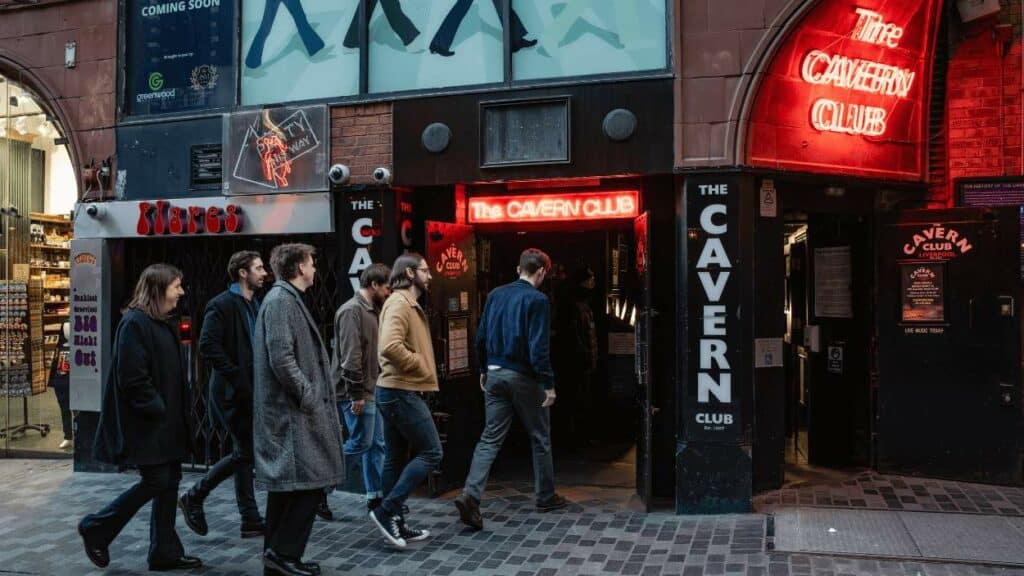
She championed the impact of the Liverpool City Region Combined Authority’s Strategic Investment Fund (SIF), which has been “really successful in helping the sector to grow” and supporting start-ups, particularly during Covid. The £2m fund, administered by the Liverpool City Region music board, targets priority areas such as talent development, skills, and workforce growth and was successful as it was funding “really specific to the music sector.”
‘Creativity comes from collaboration’
A recurring theme from the discussion was the region’s potential to amplify cross-sector partnerships, build consortium-style bids for agencies, and bring together agencies, cultural institutions, production companies and freelancers to unlock bigger contracts and projects.
With agencies in the room sharing their specialisms, from marketing to SEO, they highlighted the importance of a greater focus on celebrating business partnerships, particularly as the region is home to a thriving ecosystem of small businesses and freelancers.
“Creativity comes from collaboration,” said O’Brien (Re-culture Agency). It was also evident that Liverpool City Region-based creative agencies felt plenty of pride when able to see their work come to life across the city too: “We really want to have an impact on the city and I know my team gets a big buzz out of it,” said Docking (Poke Marketing).
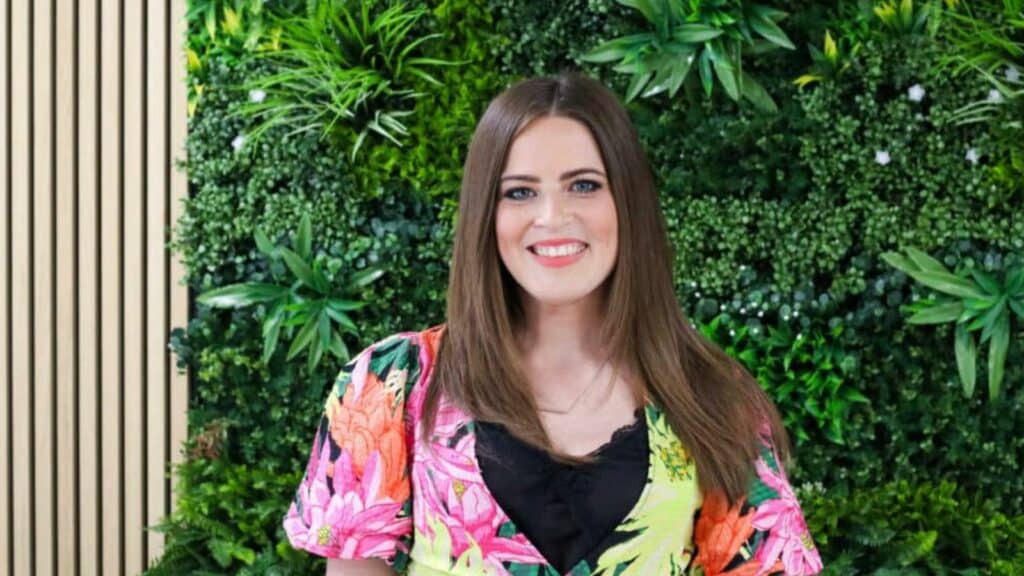
The feedback Kemp (Nineteen Agency) has always received is that the passion creatives in Liverpool have for the city “always shines through” because “we really care, we love it and we are proud.”
There is a major opportunity for the city to “promote what it has and get those businesses, agencies and suppliers in front of each other,” said Howe (Uniform). Leaders in the room agreed on the benefits of networking events and festivals, which offer creative businesses the chance to get together, connect and collaborate more, added Calder (Gingerhead Marketing).
Papadopoulos (Hurricane Films) suggested inviting more decision-makers on short visits to Liverpool to showcase the region’s creative potential too: “Getting them to see it in person, what exists here and what they can get from the city, those things really work,” he said.
And while Liverpool is great at showcasing its culture, O’Brien (Re-culture Agency) said, “let’s celebrate what’s here” when it comes to businesses.
A shared ambition
Wrapping up the first part of the roundtable session, David Prior (Prolific North) asked leaders to identify their most pressing business support needs — and where investment should be focused to strengthen the region’s creative industries.
Nicola Triscott, who leads Liverpool’s leading centre for art, film and the creative use of technology called FACT, highlighted two priorities: investing in new technologies so local digital and immersive artists can keep pace with cities like London and Bristol, and providing direct support through grants for freelancers, who form a large majority of the sector and are the “lifeblood” of the industry.
Howe (Uniform) agreed but argued that focus should go even further: “Invest in businesses at scale, who then provide the work for those freelancers.” He also called for more investment in internationalisation, which “creates jobs and brings more money into the UK from abroad.”
Highlighting a mapping exercise that is currently underway to showcase Liverpool City Region’s music industry, Ayres (Sound City) described the region as having a thriving music ecosystem that is “lacking in other cities.” While other areas punch “above their weight”, Liverpool is still “the capital of world music” and could tap into it more as a leading asset.
For her, the music sector’s role in driving jobs, growth, and opportunities for young people entering the industry needs to be “prioritised and recognised.”
The focus week continues tomorrow with part two of our roundtable coverage, which will explore how the city region can build on its unique creative strengths across film, TV, music and games, support its wider creative businesses, set future priorities and develop the talent needed to thrive in emerging technologies.
link