

A Real-Time Locational Marginal Pricing Strategy for Smart Grids Based on Demand-Side Management ()
1. Introduction
Global electricity demand continues to grow, particularly driven by accelerated industrialization, urbanization, and the large-scale integration of renewable energy. This trend imposes higher requirements for real-time balance in power systems. Due to the unique operational characteristic that “supply and demand must be balanced in real time”, any deviation may trigger frequency fluctuations, voltage instability, or even severe consequences such as large-scale blackouts [1]. Furthermore, supply-demand imbalances increase system scheduling costs and reduce resource utilization efficiency, weakening the overall economic benefits of the electricity market. Therefore, achieving dynamic coordination of supply and demand through effective market mechanisms has become a core issue urgently needing solution in the power industry.
Demand Response (DR), as a vital tool for demand-side management, aims to achieve supply-demand balance [2]. Its core mechanism is price response [3], which encourages users to effectively manage their power consumption by establishing effective pricing mechanisms. Currently, common pricing models include fixed pricing [4], Time-of-Use (TOU) pricing [5], Critical Peak Pricing (CPP) [6], and Real-Time Pricing (RTP) [7]. Among these, real-time pricing is widely considered the most promising mechanism [8]. RTP not only mitigates the spatio-temporal load imbalances exacerbated by the large-scale integration of distributed photovoltaics (PV), energy storage systems (ESS), and electric vehicles but also guides users to adjust their consumption behaviors through dynamic price signals, thereby relieving grid operational pressure and enhancing resource utilization efficiency [9]-[14].
Reference [15] first proposed the concept of RTP. Since then, related research has mainly focused on two perspectives: the openness of the electricity market and the attribute of electricity as a public good, typically analyzed through equilibrium methods. Current research on real-time pricing mechanisms falls into two main categories: one seeks optimal dispatch using social welfare maximization methods; the other investigates the equilibrium between supply and demand using bi-level optimization and game theory. The social welfare maximization method, based on shadow price theory, aims to promote fair resource allocation to achieve high-level social equity and theoretically optimize total social welfare [16]. Reference [17] first applied social welfare maximization as a pricing objective to smart grid real-time pricing, using duality methods to solve the optimization model. Additionally, the Karush-Kuhn-Tucker (KKT) method [18] [19] and the Alternating Direction Method of Multipliers (ADMM) [20] [21] are effective methods for solving social welfare maximization models. Bi-level optimization and game theory models can effectively describe systems with hierarchical structures, satisfying the interests of both supply and demand sides, and obtaining real-time prices by directly solving the model [22] [23]. For instance, Reference [24] proposed a two-stage hybrid DR strategy based on bi-level optimization to solve power consumption deviation problems in multi-energy generation systems, minimizing the difference between actual and ordered energy consumption. Reference [25] formulated an RTP strategy to address uncertainty in two-level microgrids, obtaining optimal prices using KKT conditions, smoothing methods, and a rolling penalty function algorithm. From the perspective of pricing dimensions, the aforementioned RTP mechanisms mainly address dynamic equilibrium in the time scale, guiding users to shift loads across different periods via time-varying price signals. However, traditional RTP typically employs a unified system clearing price, ignoring differences in power supply costs caused by spatial factors such as network congestion and line losses. Consequently, the feasibility of these dispatch results in practical systems is insufficient.
Locational Marginal Pricing (LMP) is the most efficient spatial pricing method in power systems [26]. As a mature pricing mechanism, it calculates independent prices for each node while considering grid physical characteristics, thereby reflecting the true cost of electricity at different geographical locations. The theoretical basis of LMP stems from the Optimal Power Flow (OPF) model, which determines nodal prices by solving non-linear optimization problems. Existing studies indicate that LMP can not only improve market operational efficiency but also promote optimal resource allocation [26] [27]. Compared to single-price mechanisms, LMP more accurately characterizes economic and technical constraints in power transmission and is thus widely applied in North American and European power markets [28] [29]. However, traditional LMP often assumes rigid loads, failing to effectively incorporate the collaborative optimization of user price response and distributed resources [30] [31]. Meanwhile, LMP struggles to reflect the dynamics of the supply-demand game when facing uncertainties brought by high-penetration renewable energy integration [32] [33].
To address the above problems, this paper proposes a bilevel real-time pricing strategy combining demand-side management with LMP. The upper level is based on the DistFlow power flow model and handles grid physical constraints through Second-Order Cone Programming (SOCP) relaxation; the lower level constructs a user response model including distributed PV, energy storage, and flexible loads. This bilevel optimization framework more realistically reflects electricity market characteristics: the supply side acts as the leader, publishing real-time nodal prices, while the demand side acts as the follower, adjusting load curves according to prices, forming a closed loop of “price signal transmission – load response feedback”. By introducing KKT conditions and strong duality theory, the model is further transformed into a Mixed-Integer Linear Programming (MILP) problem, enabling efficient solution.
2. System Framework
Consider a power transmission network connected to the main grid, containing multiple generation units and multiple microgrids. The generation units at each node are uniformly dispatched by the Power Market Scheduling Center (PMSC), In this framework, the PMSC acts as the independent system operator and market coordinator, holding the primary authority to maintain grid stability and economic efficiency. As the leader in the proposed Stackelberg game, the PMSC possesses global knowledge of the network topology and physical constraints, allowing it to determine the optimal power supply plan and publish real-time locational marginal prices (LMP) to guide subordinate demand-side responses. Each microgrid connects a certain number of users, and each user is equipped with small-scale distributed renewable energy generation equipment and an Energy Storage System (ESS). Additionally, users have embedded bidirectional smart meters to receive price signals from their respective nodes and optimize their electricity consumption strategies accordingly.
The system structure is shown in Figure 1. Within each scheduling cycle, the PMSC first publishes price signals to microgrid users. Users then adjust their
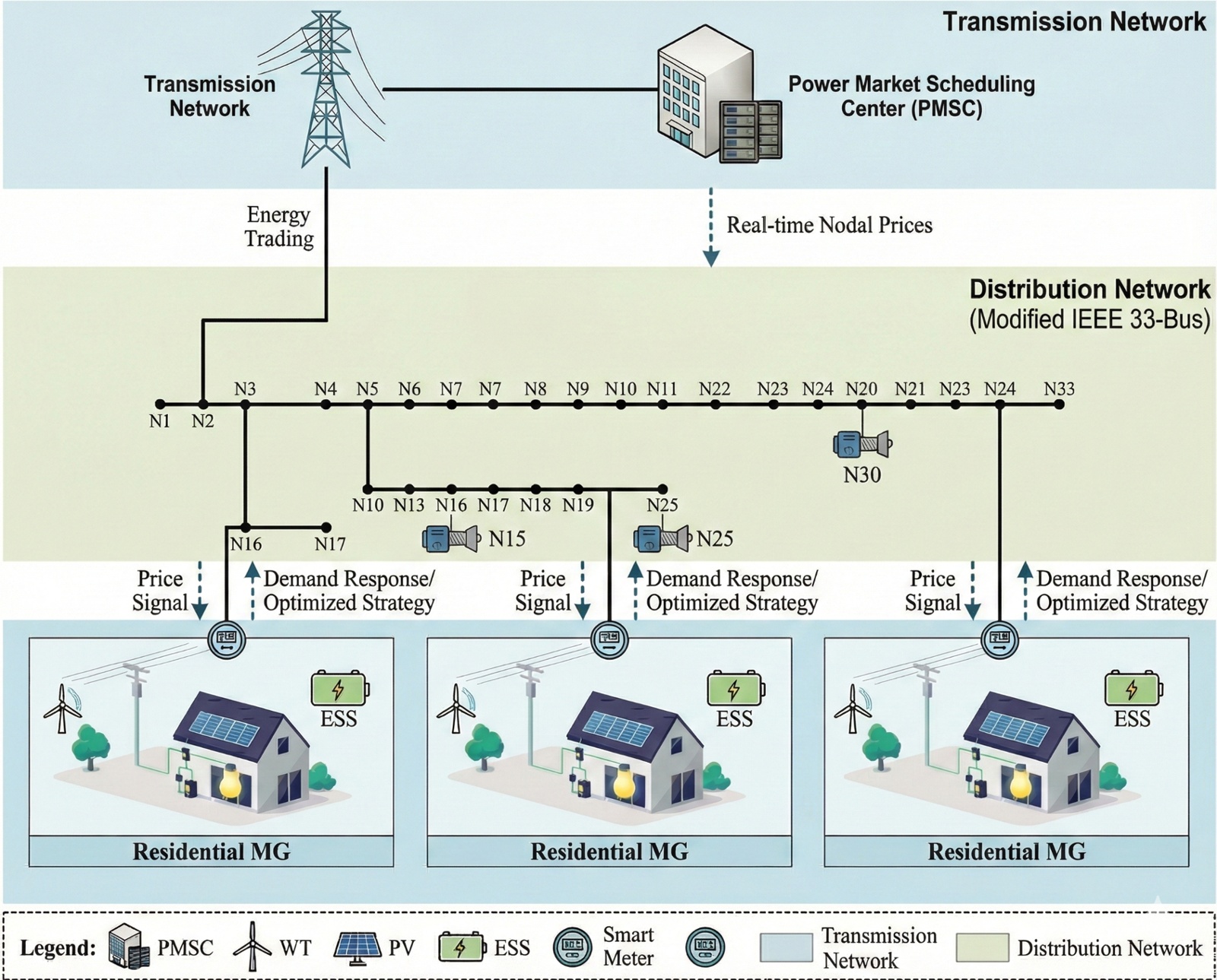
Figure 1. Schematic diagram of the simulation system.
consumption behavior based on this price information, thereby realizing a price-based demand response mechanism.
Let the set of nodes be denoted by cc. The set of microgrid users connected to a specific node
is denoted by
, where
represents the
-th user at node
. Similarly, the set of generators at node
is denoted by
. The set of transmission lines in the power system is denoted by
. Assume one day acts as an operation cycle, divided into
time slots, denoted as
.
3. System Model
3.1. Demand Side
In the electricity market, the objective of users is to maximize their individual welfare by adjusting power consumption and managing renewable energy generation and energy storage systems. It is assumed that the electricity supplier can fully meet the power demand of all users.
3.1.1. Utility Function
The utility function is a concept from microeconomics that establishes a mathematical relationship between the quantity of commodity consumption and consumer subjective satisfaction. In power systems, user energy consumption behavior can be characterized by a quadratic utility function. This function adheres to the law of diminishing marginal utility and exhibits concavity, where marginal utility slows down as consumption increases, eventually stabilizing at a saturation point. While various forms such as logistic and logarithmic functions exist, this paper adopts the quadratic utility function, as it effectively captures the principle of diminishing marginal utility. This choice is widely recognized in power system economics for accurately representing rational consumer satisfaction while maintaining computational tractability for optimization [17]. This paper adopts the quadratic utility function. For a user
located at node
(
,
) during time slot
, the utility function
is defined as a piecewise function:
(1)
where
is the active power consumption of user
at node
in time slot
.
and
are non-negative preset parameters.
represents the basic demand intensity, and
characterizes the rate of diminishing marginal utility. Assuming users operate within the non-saturated region, the load is subject to lower and upper limit constraints:
(2)
where
and
are the minimum and maximum power consumption limits for user
at node
.
3.1.2. Distributed Renewable Energy
In power systems, the distributed renewable energy equipment equipped by users is typically small-scale, such as rooftop photovoltaics (PV) or small wind power generation devices, primarily used to meet the user’s own electricity demand. Given their limited installed capacity, the generated energy is usually not sold back to the grid and is limited to self-consumption.
For small-scale renewable energy output, a deterministic generation curve is adopted, fitted through historical data or generated from typical scenarios, to maintain model accuracy while ensuring computational efficiency. Assuming the PV generation quantity
is an exogenous parameter satisfying the constraint:
, where
is the maximum PV generation capability in time slot
. Assuming the generation cost of renewable energy is negligible, the maintenance and depreciation loss costs of the renewable energy generation system should still be accounted for, modeled using a quadratic function [34]:
(3)
where
and
are non-negative preset parameters.
3.1.3. Energy Storage System
Energy Storage Systems (ESS) play a key role in power management by smoothing electricity costs through flexible charging and discharging strategies and enhancing the stability and reliability of power supply. Their dynamic behavior and related characteristics are modeled as follows:
1) Charging and Discharging Dynamics
The capacity state of the ESS changes over time. Its update equation and related constraints are:
(4)
where
is the charging or discharging power of the storage device in time slot
. When
, it indicates charging; when
, it indicates discharging.
represents the energy storage capacity state in time slot
, reflecting the remaining power of the storage device.
and
are the minimum and maximum capacities of the ESS.
is the maximum power limit for charging (or discharging), which is a preset parameter ensuring that charging and discharging operations are performed within the power range the device can withstand. The equation
represents the periodic constraint for storage scheduling.
2) Charging and Discharging Costs
The operating cost of the ESS mainly stems from equipment depreciation and maintenance, which is related to the amount of charging and discharging energy. It is modeled using the following function [22]:
(5)
where
and
are non-negative preset parameters.
3.1.4. Total Welfare of Demand Side
Considering users equipped with distributed photovoltaics and energy storage, their total welfare consists of electricity utility minus electricity purchase costs, renewable energy equipment maintenance costs, and energy storage operating costs. The net power purchased by the user from the grid is:
(6)
where
is the power purchased by the user from the grid in time slot
, representing the interaction power.
is the real-time electricity price at node
in time slot
. To prevent market disorder caused by excessively low or high electricity prices, upper and lower limit constraints are applied to the electricity price:
(7)
where
and
are preset parameters.
The objective function of the demand side is to maximize total welfare, which can be formulated as:
(8)
For ease of subsequent solution, this is transformed into:
(9)
where the first term is negative utility, the second and third terms are photovoltaic maintenance costs and energy storage operating costs respectively, and the fourth term is the electricity purchase cost.
3.2. Supply Side
In the power market scheduling system, after collecting and integrating all users’ consumption data, the system’s objective is to maximize the overall profit of the generation side by optimizing electricity prices and power supply dispatch schemes. To achieve this, the system needs to ensure that the total generation complies with distribution network power flow constraints while satisfying total user demand, guaranteeing the feasibility of power transmission and the safe and stable operation of the grid. Furthermore, it is necessary to coordinate pricing strategies and generation plans to maximize profits based on supply-demand balance and improve system operational efficiency.
3.2.1. Power Transmission Loss Cost
The DistFlow power flow model is widely used in radial distribution network analysis [35]. Based on branch power, this model is more suitable for radial distribution systems compared to traditional node-power-based methods. In this model, power losses must be accurately calculated based on node voltage magnitudes, line resistance, and reactance. For the line
connecting node
and node
, denote
as the corresponding line
. The basic power flow equations are as follows [36]:
(10)
where
and
are the voltage magnitudes of the corresponding nodes in time slot
.
and
are the active and reactive power flowing from node
to node
on line
in time slot
.
and
are the active and reactive power injections at node
, respectively.
represents the sum of active power of all downstream branches starting from node
in time slot
, and
represents the sum of reactive power of all downstream branches starting from node
in time slot
.
and
represent the reactance and resistance of line
.
represents the current of line
in time slot
. The system must satisfy the following operational constraints:
(11)
where
and
are the lower and upper limits of the voltage magnitude at node
, and
is the maximum current limit for line
, all of which are preset parameters.
Since the current-power relationship in the model, i.e.,
, is non-linear, it leads to non-convexity in the optimization problem, increasing the difficulty of solution. To obtain a convex optimization form, Second-Order Cone Programming (SOCP) is used to relax the aforementioned relationship. The relaxed problem is a convex problem, and using existing convex optimization algorithms guarantees finding the global optimal solution [37]. This SOCP relaxation is highly effective for radial distribution systems as it preserves the physical characteristics of the power flow while transforming the non-convex constraints into a computationally tractable form. Under most operational conditions, this relaxation is proven to be exact, ensuring that the optimal solution of the relaxed model remains physically feasible for the original power network. Let
and
. The relationship is relaxed to:
(12)
In AC systems, power loss caused by resistance follows Joule’s law and is proportional to the square of the current. The power loss of line
in time slot
is:
(13)
Then the transmission loss cost of line
in time slot
is:
(14)
where
represents the cost coefficient for losses of line
at time
.
3.2.2. Conventional Generation Cost
The cost of traditional thermal power generation units is commonly represented by a quadratic function. Let
and
denote the active and reactive power output of the
-th generator at node
in time slot
, respectively. The following operational constraints must be satisfied:
(15)
where
,
,
, and
represent the minimum and maximum active and reactive power outputs of the
-th generation unit at node
, respectively.
and
represent the maximum ramp rates in adjacent time slots.
The generation cost is only related to active power output, and reactive power output is not included in the main cost function. That is, the generation cost function of unit
in time slot
can be expressed as:
(16)
where
,
, and
are the generation cost function coefficients for unit
, all of which are preset parameters.
3.2.3. Main Grid Power Purchase Cost
Distributed generation resources within the distribution network can satisfy local load demands to a certain extent, but their marginal generation costs typically rise with increased output. Therefore, under the condition of satisfying overall economic optimality, the PMSC can choose to purchase a portion of electricity from the upper-level main grid to better utilize the cost advantages of external resources and achieve global economic dispatch. Assuming node 1 is the interconnection point between the distribution network and the main grid, the cost of purchasing electricity from the main grid can be expressed as:
(17)
where
is the interaction power between the supply-side distribution network and the upper-level main grid, and
represents the electricity price provided by the upper-level main grid to the supply-side distribution network, which is a preset parameter.
3.2.4. Supply Side Welfare
The total welfare of the supply side is reflected as total electricity sales revenue minus total generation costs, transmission loss costs, and power purchase costs from the upper-level main grid. The congestion costs have already been reflected through the differences in nodal prices. To ensure the safe and stable operation of the power grid, real-time supply-demand balance and power flow constraints must be satisfied, as follows:
(18)
where
are the minimum and maximum active and reactive power allowed for line $ij$, which are all preset parameters.
and
are the active and reactive power injections at node
, respectively.
is the total reactive power load at node
, and
is the net reactive load of user
. To simplify the model,
is defined as a preset parameter, and
is a preset parameter representing the proportional relationship between net reactive power and net active power.
The total sales revenue and the corresponding price constraints are in the following form:
(19)
The overall optimization objective of the supply side is to maximize total welfare:
(20)
where the first term is the total sales revenue, the second term is the total generation cost, the third term is the total loss cost, and the last term is the transaction cost with the main grid.
4. Model Solution
The pricing model constructed in this paper is a bi-level optimization problem. The upper-level supplier and lower-level user decisions are coupled, and the model includes non-convex power flow constraints and non-linear complementarity slackness conditions, making direct solution difficult. Therefore, this paper employs KKT conditions and strong duality theory to transform the lower-level problem into upper-level constraints. Furthermore, Second-Order Cone Programming (SOCP) relaxation and the Big-M method are used to handle power flow non-convexity and complementarity non-linearity, respectively, ultimately transforming the original problem into a Mixed-Integer Linear Programming (MILP) model that can be efficiently solved.
4.1. Upper-Level Problem: Supply Side Profit Maximization
The upper-level decision maker is the Power Market Scheduling Center (PMSC), which involves multiple nodes and generation units. It needs to formulate real-time nodal prices and supply plans to maximize its profit. This problem can be formulated as a non-linear programming model subject to various physical constraints (such as power balance and line capacity). The objective function comprehensively considers generation costs, electricity sales revenue, and network loss costs. Based on the system constraints and objective function described in the previous sections, the upper-level problem is formalized as:
(21)
where the first term
is the total electricity sales revenue defined in Equation (19), the traditional thermal generation cost
is defined in Equation (16), the distribution network loss cost
is defined in Equation (14), and the cost of purchasing power from the upper-level main grid
is defined in Equation (17).
4.2. Lower-Level Problem: User Welfare Maximization
The lower-level decision makers are the user groups, who maximize their welfare by adjusting electricity loads and energy storage operations. This problem is modeled as a convex quadratic programming model. Users respond to price signals by optimizing their consumption behavior and storage strategies. Based on the user load response constraints, the lower-level problem is formalized as:
(22)
where the user utility
is defined in Equation (1), the renewable energy equipment depreciation and maintenance cost
is defined in Equation (3), the energy storage charging/discharging cost
is defined in Equation (5), and the electricity purchase cost
is defined in Equation (8). In the lower-level problem, the depreciation and maintenance cost functions for renewable energy and storage devices are convex, and the utility function is concave; therefore, the lower-level problem (22) is a convex optimization problem.
4.3. KKT Conditions and Dual Optimization Transformation
To address the typical “upper-level maximization, lower-level minimization” structure of bi-level optimization, and to improve solution efficiency, KKT optimality conditions and duality theory are utilized to transform the original problem into an equivalent single-level mathematical programming problem. The specific steps are as follows:
4.3.1. Construction of Lagrangian Function for Lower-Level Problem
For the clarity of the solution process, the subsequent transformation targets a specific user under node
(subscripts regarding the user index are implicitly handled in the standard notation
). The Lagrangian function is constructed as:
(23)
4.3.2. KKT Conditions
Since the lower-level problem is a convex quadratic programming problem and satisfies Slater’s constraint qualification, its optimal solution must satisfy the KKT necessary and sufficient conditions.
(24)
4.3.3. Linearization of Non-Linear Constraints
For the complementary slackness terms in the KKT conditions in the form of
,
, the Big-M method is employed for linearization. A binary variable
and a sufficiently large positive real number
are introduced to construct the equivalent constraints:
(25)
When
,
and
; when
,
and
. Thus, the linearization transformation of the non-linear terms is achieved.
4.3.4. Application of Strong Duality Theorem
Based on the strong duality theorem, the optimal solution of the lower-level problem can be equivalently described by its dual problem. The equivalent expression for the optimal solution of the lower-level problem derived from the strong duality theorem is:
(26)
In summary, after substituting the KKT conditions into the upper-level problem, the master-slave game model can be transformed into the following Mixed-Integer Linear Programming (MILP) problem:
(27)
This problem belongs to the class of mixed-integer linear programming problems and can be efficiently solved using commercial solvers.
5. Simulation Experiment
Simulation experiments are conducted on a power grid system comprising both the supply side and the demand side to validate the effectiveness of the proposed model. The supply side includes distributed small-scale generator sets and interfaces for purchasing electricity from the upper-level main grid, while the demand side consists of multiple small-scale microgrids. A modified IEEE 33-bus distribution system is employed for the simulation. Specific modifications include: removing the fixed loads of the original system to highlight the regulatory role of demand-side resources; and proportionally scaling down line impedance. This modification is necessary to reflect the shorter physical distances and lower voltage drops characteristic of small-scale residential microgrids compared to standard medium-voltage distribution feeders, thereby ensuring the simulation results are representative of a localized energy community environment.
5.1. Simulation Setup
The structure of the simulation system is shown in Figure 1. The supply side consists of two parts: first, small-scale thermal power generating units deployed at nodes 6, 8, and 13 of the distribution network; second, electricity trading with the upper-level main grid via the connection at node 1. The demand side includes three independent microgrids located at nodes 8, 18, and 33, with each microgrid containing three residential users. Each user is equipped with photovoltaic (PV) generation equipment, wind power generation equipment, and a home energy storage system. The scheduling period is set to one day, divided into 24 equal time slots (
). The cost function of the generator sets is defined by Equation (16), and the relevant parameters are listed in Table 1.
Table 1. Relevant parameters of generator sets.
|
Unit No |
Capacity (kW) |
Min Output (kW) |
a (CNY/kW²h) |
b (CNY/kWh) |
c (CNY/h) |
|
unit1 |
150 |
40 |
0.0035 |
0.380 |
2 |
|
unit2 |
120 |
20 |
0.0042 |
0.290 |
2 |
|
unit3 |
90 |
15 |
0.0046 |
0.393 |
1 |
The user electricity utility function is defined as Equation (1), where
takes random values and
. The parameter
for different users takes different values in different time slots. The total capacity of solar PV and wind power generation equipment installed by each user is 10 kW, and the capacity of the energy storage equipment is 10 kWh. Figure 2 depicts the output of solar PV and wind power generation within a day based on statistical characteristics. Although the marginal cost of renewable energy generation is zero, equipment maintenance and depreciation costs must still be considered. The parameters are set as
and
. The wholesale electricity price released by the main grid is known, and its price curve is visible in Figure 3. The real-time electricity price released by the PMSC is required to fluctuate within a certain range: the lower limit is set at 0.8 times the main grid benchmark price, and the upper limit is set at 3 times. Additionally,
, assuming that the net reactive power is 0.5 times the net active power.
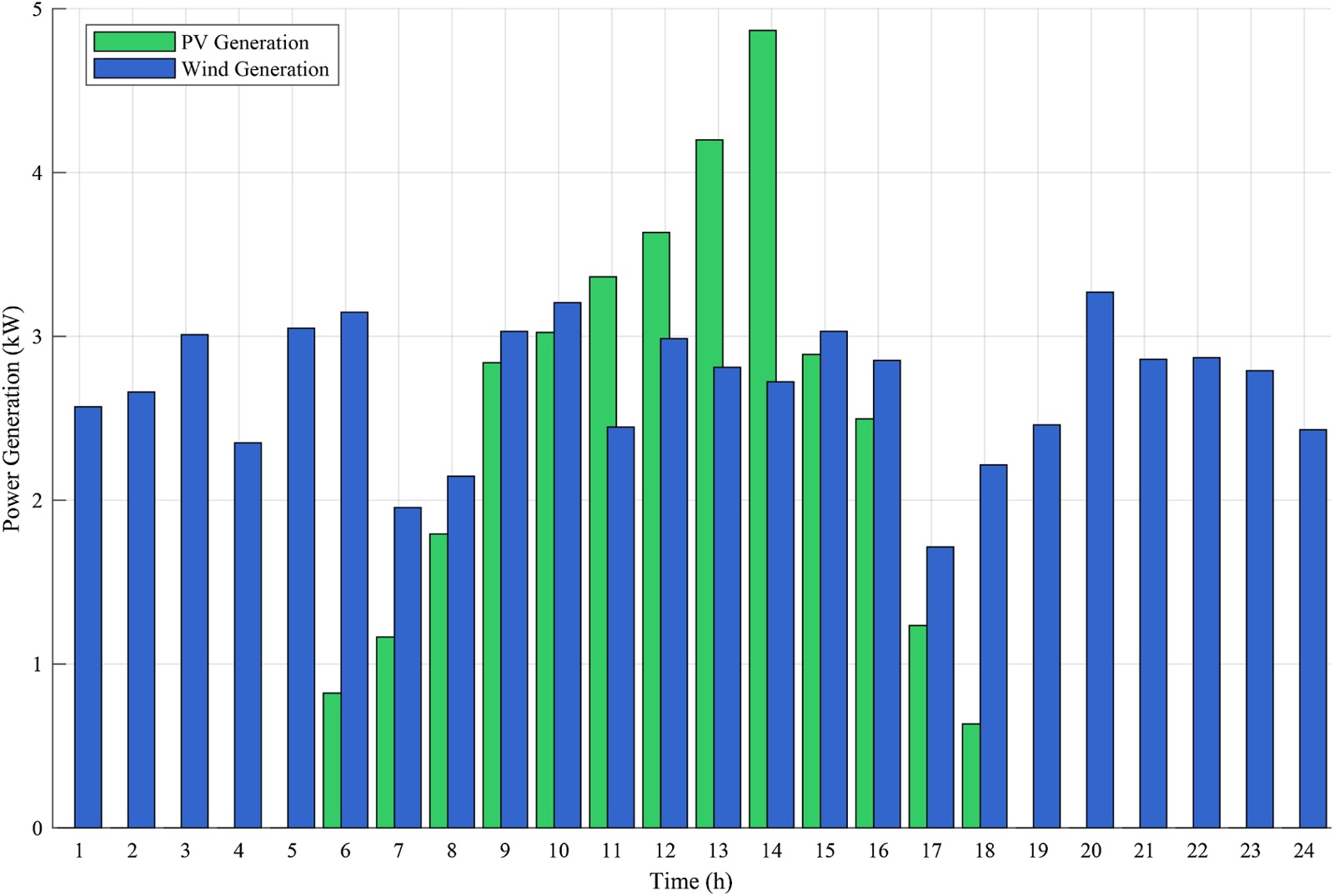
Figure 2. Solar and wind power output of user 3.
5.2. Result Analysis
Based on the parameter settings mentioned above, Figure 3 illustrates the optimal electricity prices for each microgrid under the proposed real-time locational marginal pricing strategy, alongside the benchmark price of the upper-level main grid. Figure 4 presents the optimal dispatch scheme for the system’s total consumption, total supply, renewable energy, and energy storage. As depicted in Figure 4, the total consumption by users exceeds the total supply, indicating that users utilized power generated from their own renewable energy sources or discharged from energy storage devices. In fact, by adhering to constraint (6), the
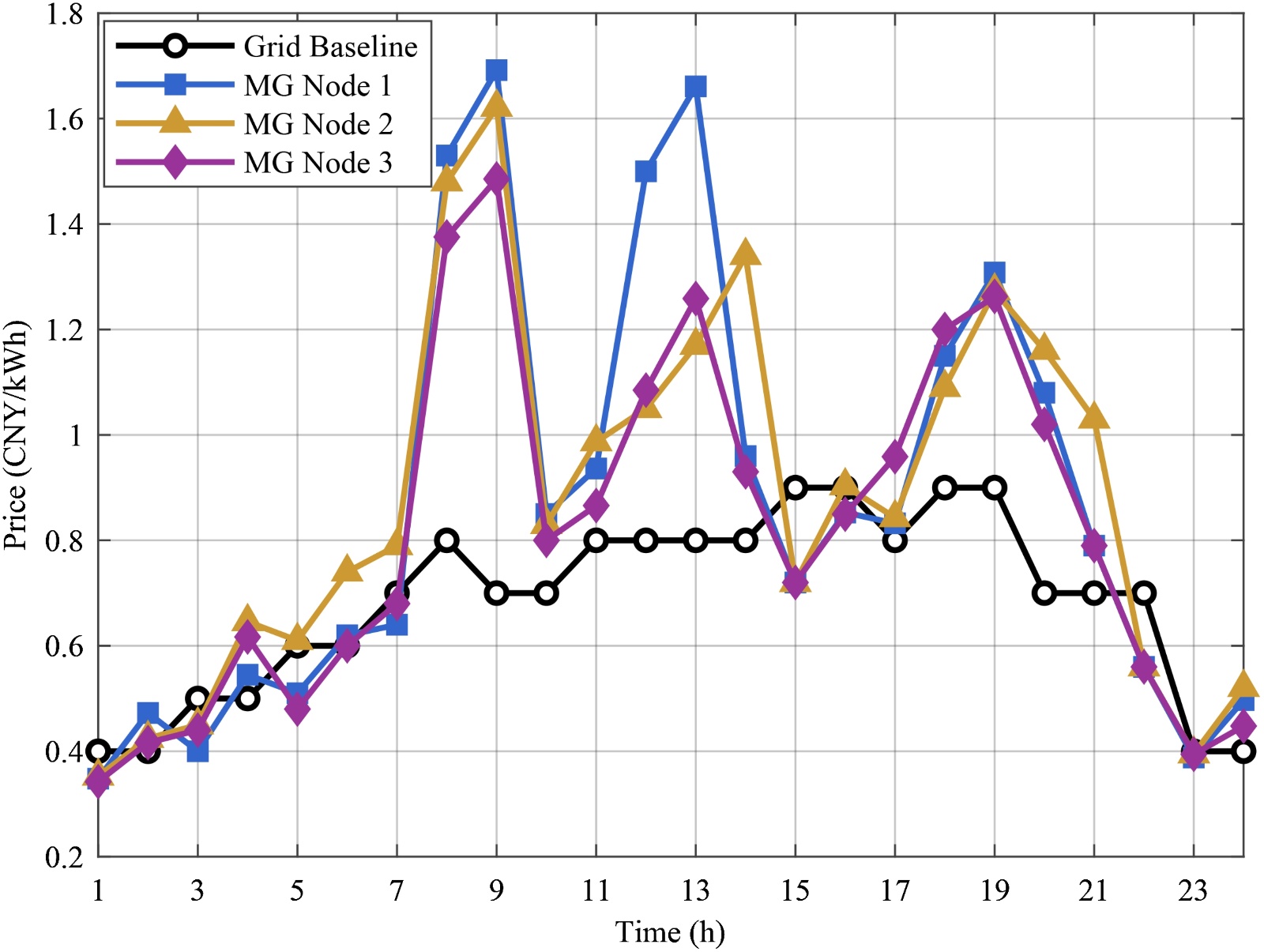
Figure 3. Time-series comparison of nodal real-time electricity prices in the microgrid and the benchmark main grid prices.
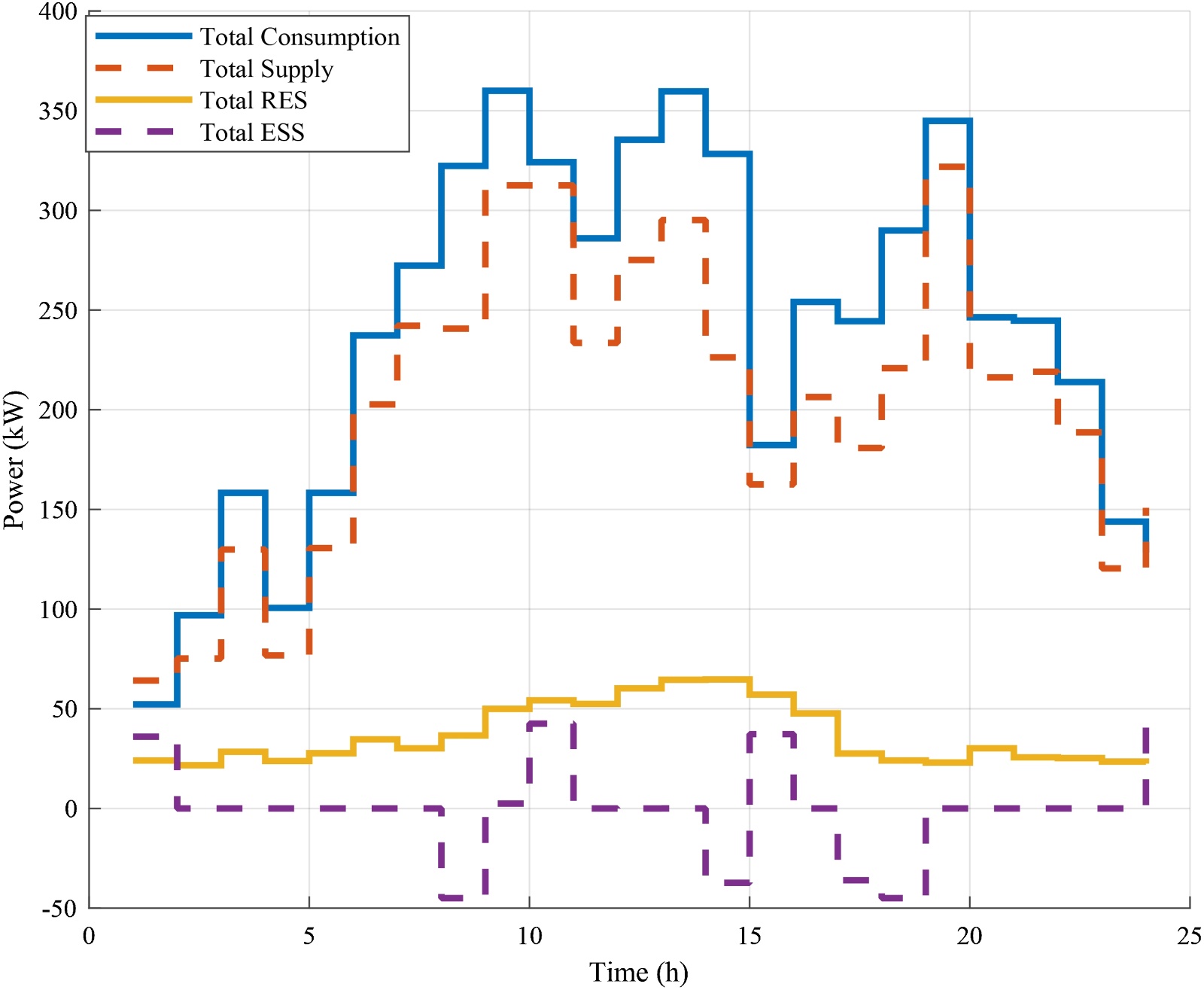
Figure 4. Time-series variation of system power balance.
balance between the supply side and the demand side is strictly maintained. Taking User 3 as an example, Figure 5 displays the optimal energy dispatch scheme on the demand side over the operation cycle, covering electricity consumption, renewable energy output, and charging/discharging energy. Figure 6 illustrates the optimal power supply dispatch on the supply side.
Based on Figures 3–6, it can be concluded that throughout the scheduling cycle, electricity price fluctuations are correlated with user consumption preferences, renewable energy production, the benchmark price of the upper-level main grid, and the total cost of generation units. During periods with lower energy consumption and lower main grid prices, such as time slots 1 – 6 and 22 – 24, or periods with higher renewable energy output, such as time slots 10 – 14, electricity prices are relatively low. Conversely, during periods of high energy consumption and high main grid prices, such as time slots 9 – 10 and 19 – 21, electricity prices are relatively high, indicating that users actively participate in electricity market regulation. Furthermore, differences in the amplitude of price fluctuations exist among different microgrids, which primarily stem from three factors: first, there are differences in electricity consumption preferences among users in different microgrids; second, generation costs vary for units at different locations in the distribution system, allowing nodes located near low-cost power sources to prioritize the utilization of more economical power resources; third, nodal prices are also influenced by line transmission distances and network losses. In the proposed
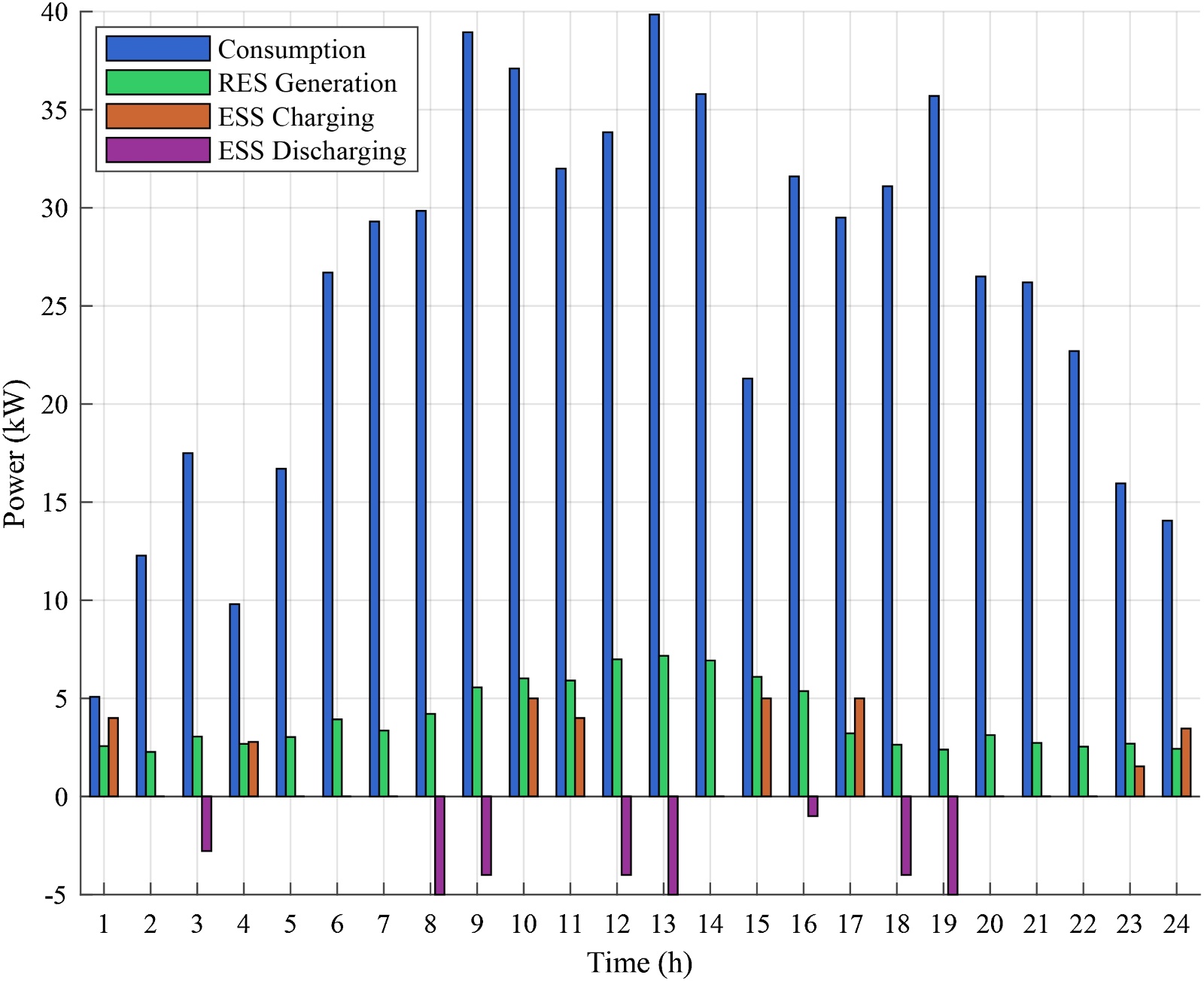
Figure 5. Electricity dispatch curve for user 3 at the microgrid node.
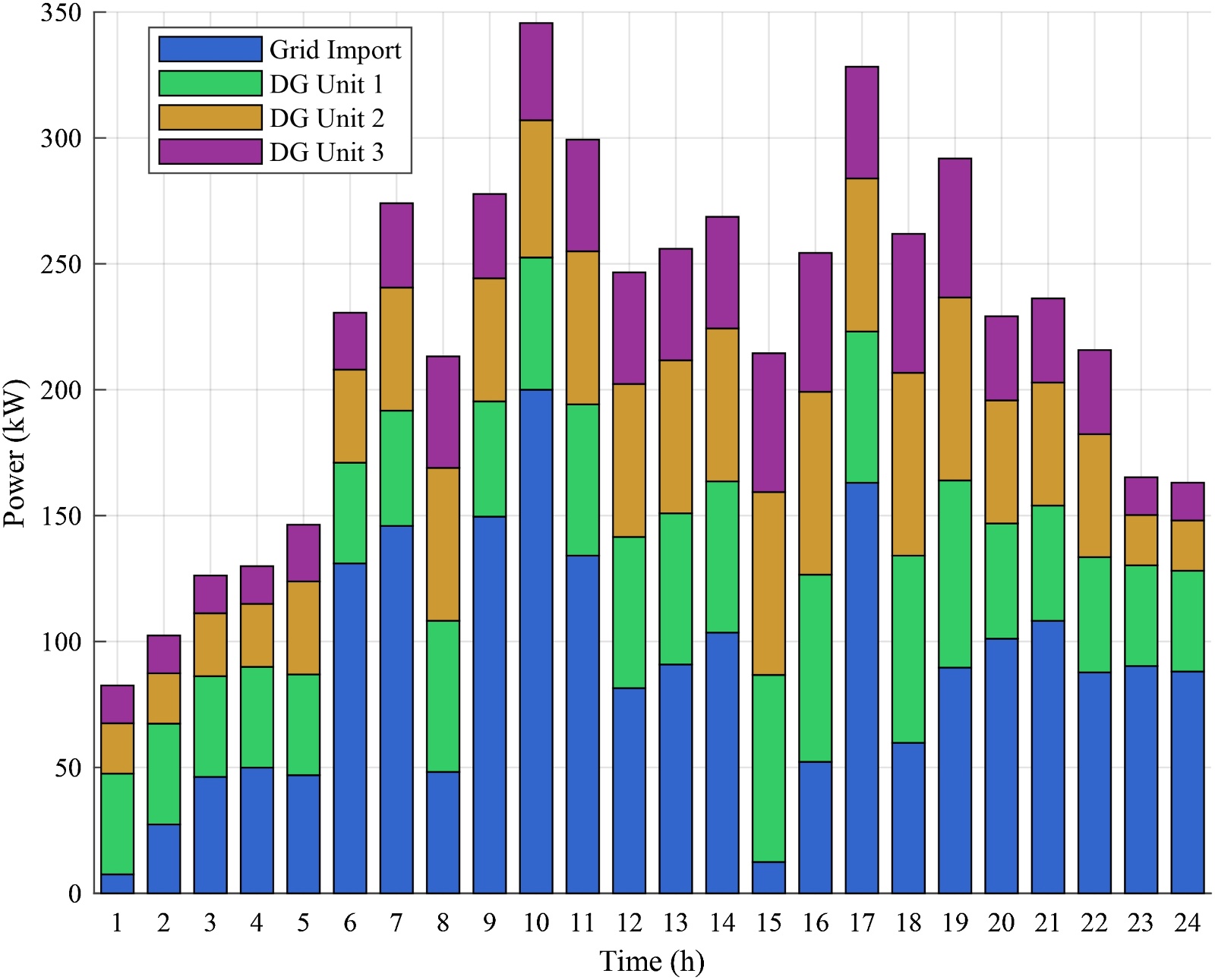
Figure 6. Optimal supply-side dispatch scheme.
model, the LMP is decomposed into marginal generation cost and marginal loss cost. By solving the dual variables of the power flow constraints (10)-(12), the mechanism specifically quantifies the additional cost required to supply an incremental unit of load at a specific node while accounting for the corresponding increase in system-wide ohmic losses, which is then directly integrated into the final nodal price.
5.3. Comparison of Different Renewable Energy Output Scenarios
To verify the effectiveness and robustness of our model, operational results are compared under two different renewable energy configuration ratios. As described in Section 4.1, in Scenario (a), users are equipped with 5 kW photovoltaic (PV) and wind power generation equipment, whereas in Scenario (b), the installed capacity of both types of renewable energy equipment is increased to 10 kW. The simulation assumptions and parameter settings remain consistent across both scenarios. Figure 7 illustrates the PV and wind power output over a single day under Scenario (b).
To conduct an in-depth analysis of the impact of increased renewable energy penetration on grid operation and the interaction mechanism between supply and demand, a comparative analysis is performed from the perspective of multiple indicators. Figure 8 displays the optimized energy dispatch scheme for User 3 in Scenario (b). Compared with Scenario (a), the user’s optimal consumption plan
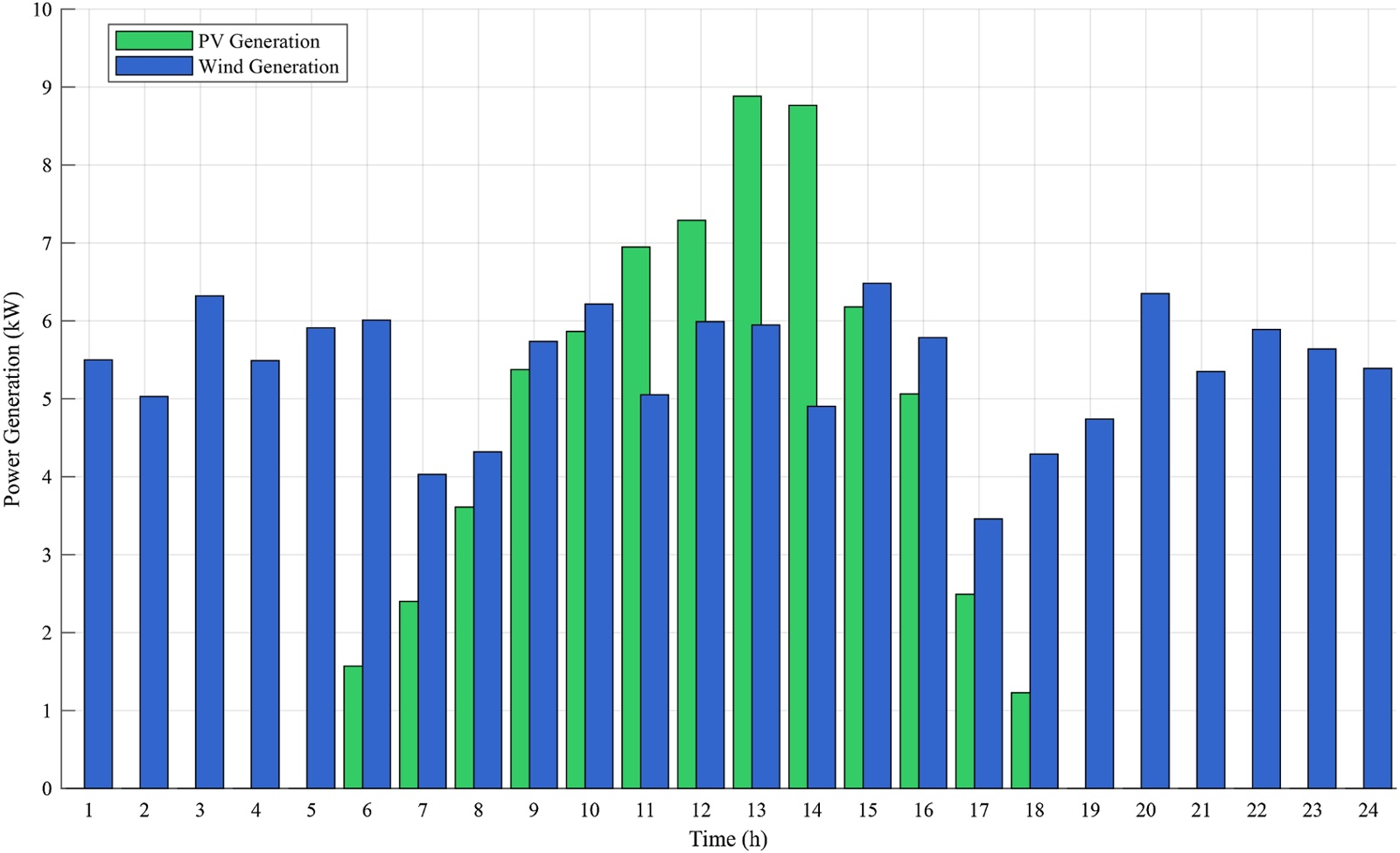
Figure 7. Solar and wind power output of user 3 in Scenario B.
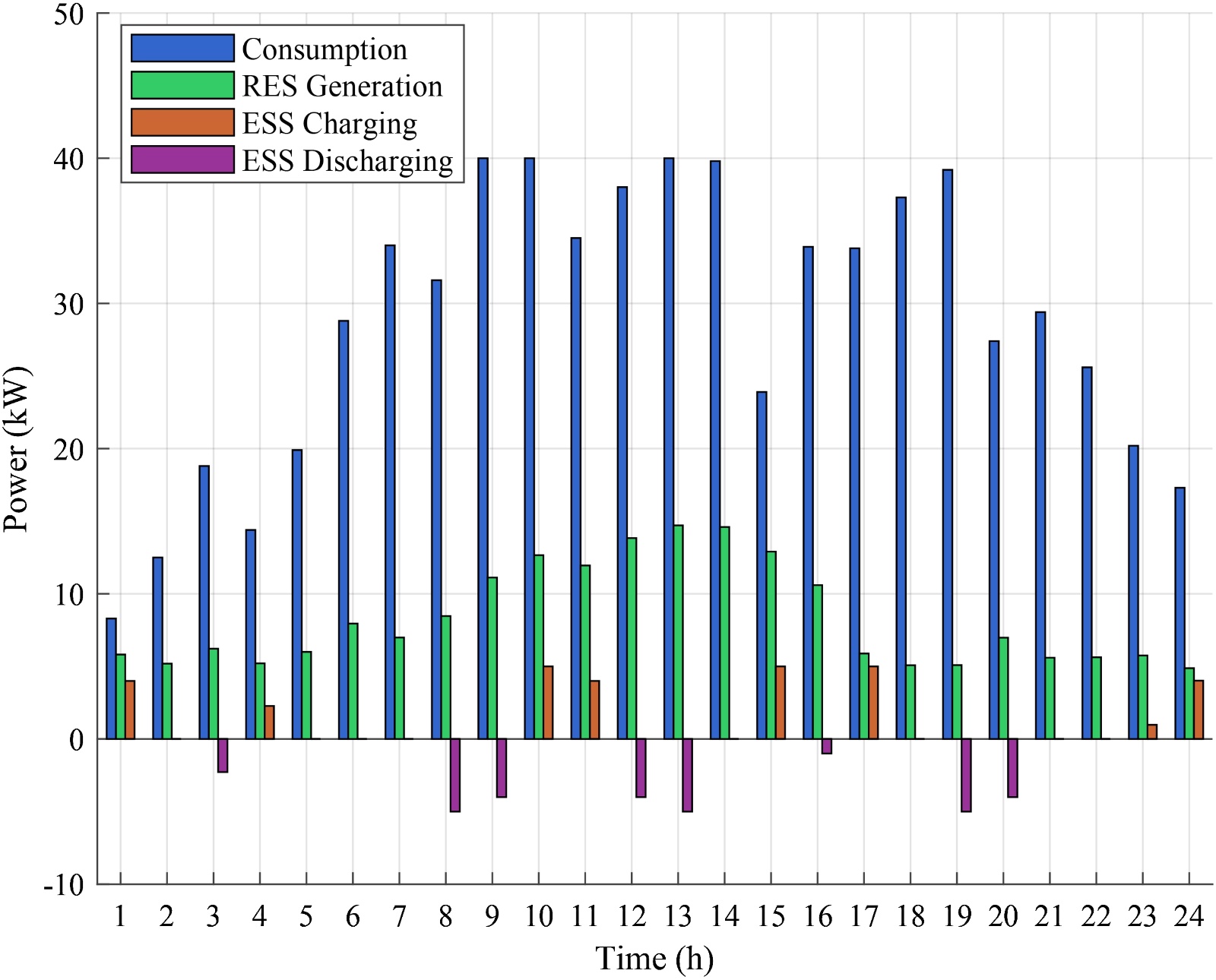
Figure 8. Electricity dispatch curve for user 3 at the microgrid node in scenario B.
remains substantially consistent, primarily due to the similarity in load characteristics and daily consumption patterns between the two scenarios. However, as the installed capacity of renewable energy increases, the proportion of electricity purchased from the grid significantly decreases, indicating a greater tendency for users to utilize local renewable energy to satisfy their own power demands. Based on the analysis of the supply-demand interaction mechanism, the PMSC adopts a strategy of reducing generation to achieve supply-demand balance in this situation. As shown in Figure 9, the optimal supply-side dispatch scheme in this scenario corroborates this observation.
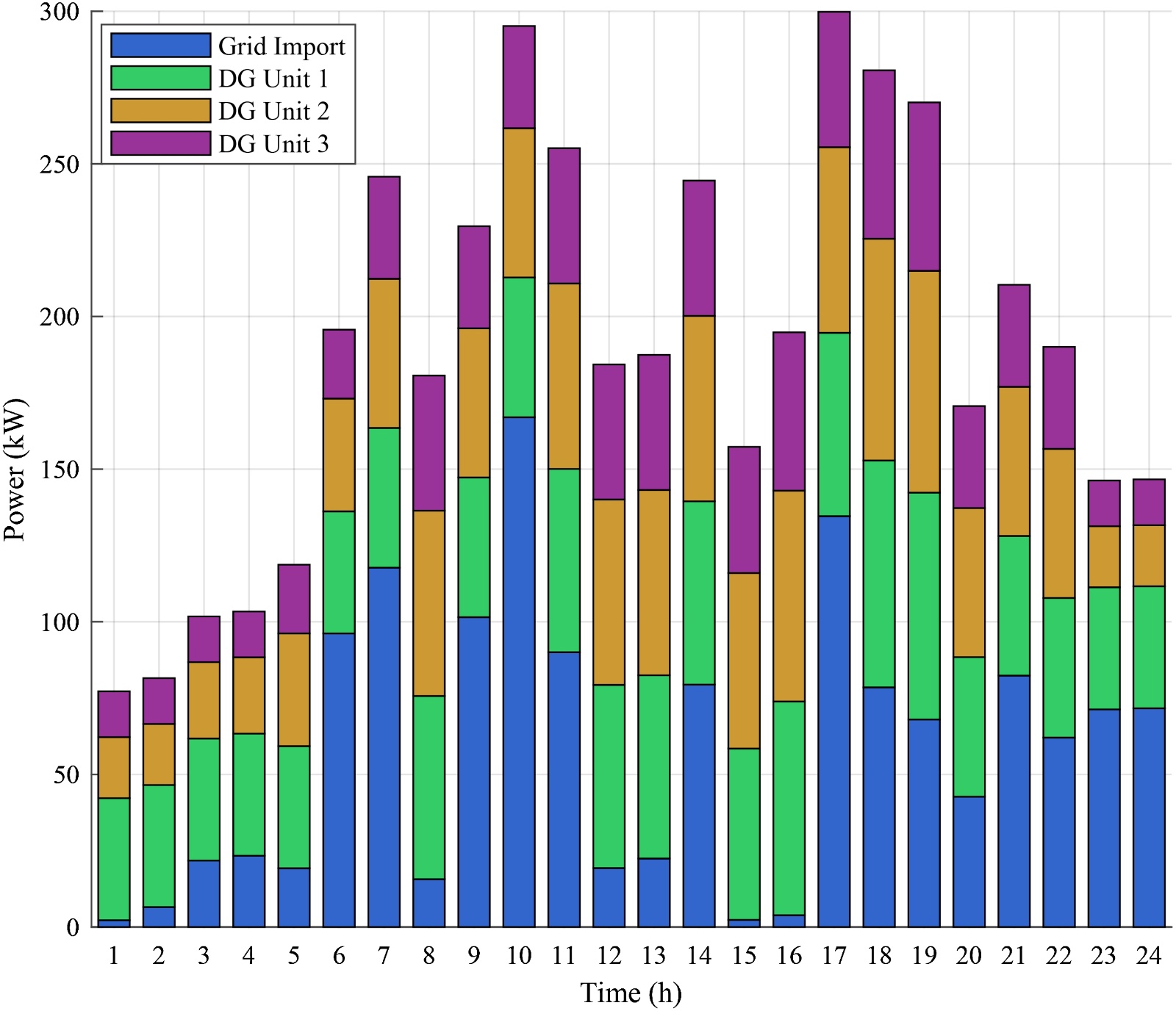
Figure 9. Optimal supply-side dispatch scheme under scenario B.
Particularly during daytime periods with abundant solar energy, the output of traditional generators exhibits a significant decline. This indicates that in power systems with a high proportion of renewable energy, characteristics such as the intermittency and volatility of renewable energy output exert a more pronounced inhibitory effect on the generation schedules of thermal units. Additionally, Figure 10 compares the social welfare levels under the two scenarios. The results show that social welfare in Scenario (b) is higher than that in Scenario (a), primarily attributed to the lower generation costs of renewable energy. This result not only confirms the significant value of renewable energy in enhancing the economic efficiency and sustainability of power systems but also validates the
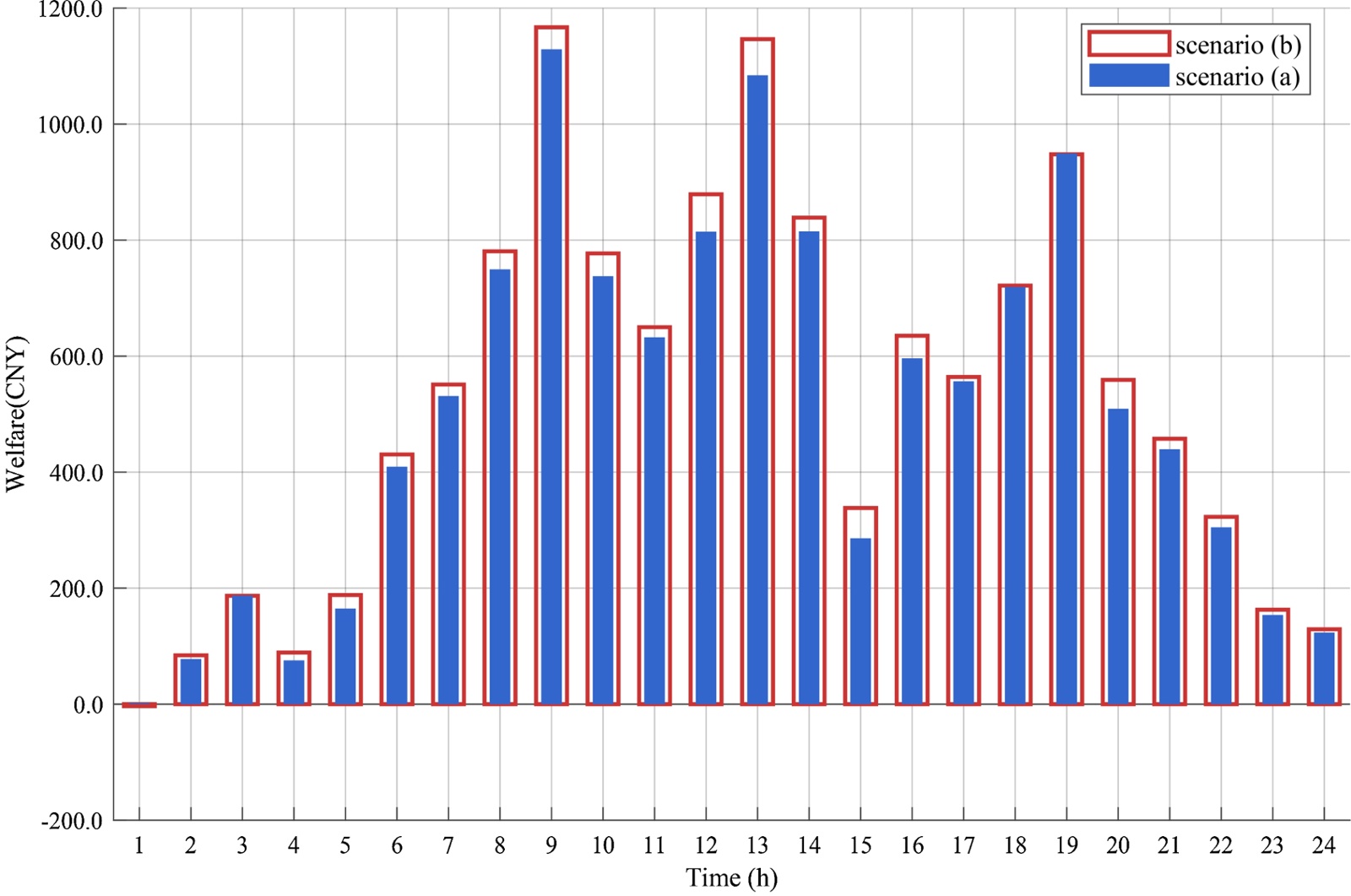
Figure 10. Social welfare in Scenario A vs. Scenario B.
effectiveness of the proposed pricing mechanism in environments with high renewable energy integration. The mechanism helps incentivize the accommodation and development of renewable energy, thereby reducing dependence on traditional fossil fuels and promoting the reduction of carbon emissions in system operation.
5.4. Result Analysis under Different Pricing Mechanisms
To evaluate the performance of the proposed pricing mechanism, this subsection compares the proposed real-time locational marginal pricing mechanism with the traditional fixed pricing mechanism [17] under consistent simulation conditions.
Figure 11 illustrates the hourly variations in social welfare under the two mechanisms throughout the full operation cycle. The results indicate that the real-time locational marginal price achieved a total social welfare of 12039.97 CNY, representing an increase of 9.45% compared to 10999.96 CNY under the fixed pricing mechanism. This demonstrates that real-time locational pricing possesses significant advantages in enhancing the overall economic efficiency of the system.
6. Conclusions
Against the background of high-penetration renewable energy integration into the grid, this study constructs a bi-level optimization framework considering
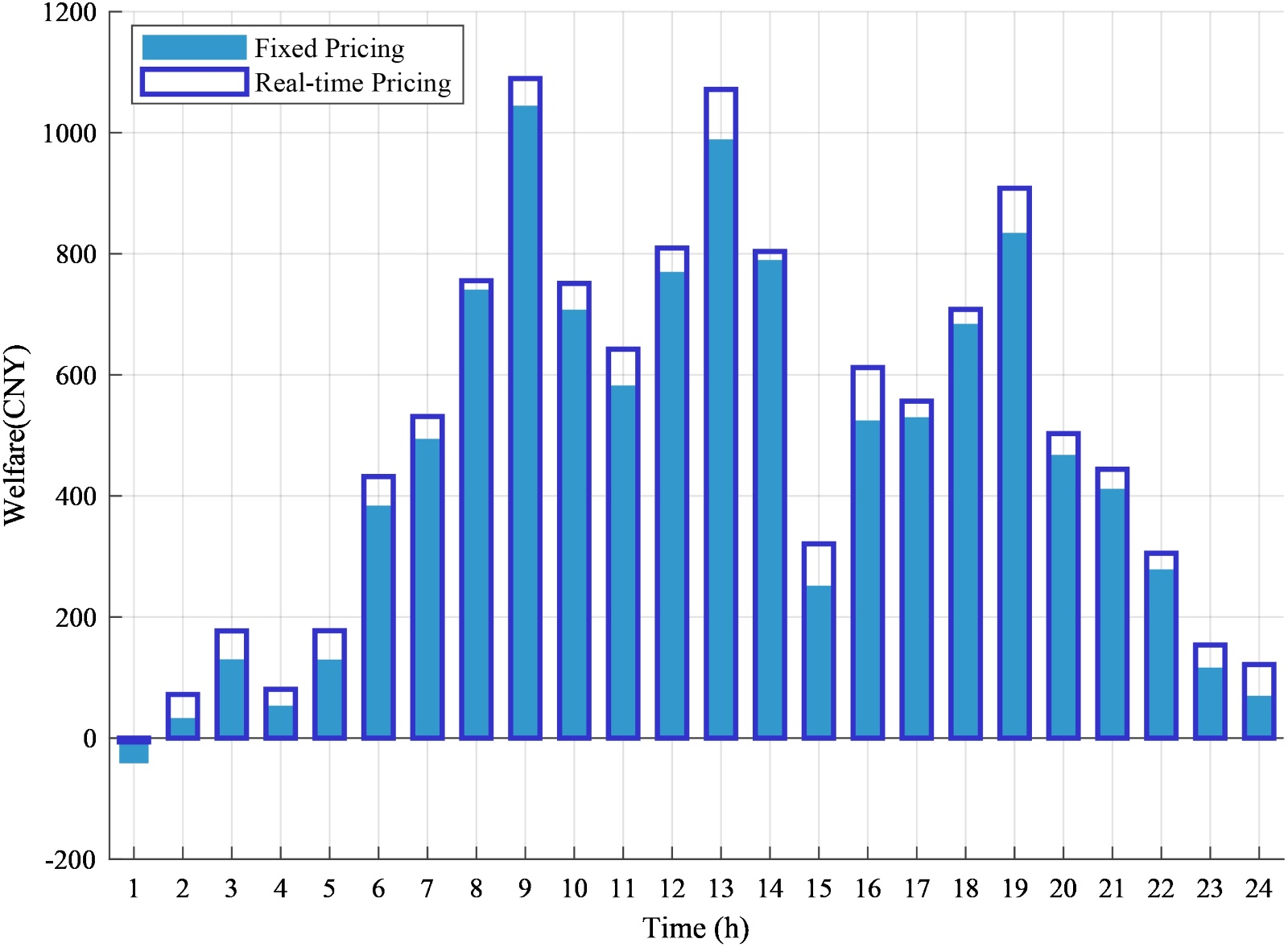
Figure 11. Social welfare values under the two mechanisms.
power flow physical constraints, successfully designing and verifying a locational marginal real-time pricing mechanism that balances economic efficiency and operational safety. In terms of modeling integrity, it addresses the limitations of traditional RTP and LMP, providing a feasible new approach for grid pricing under high renewable energy penetration. Theoretically, by constructing a Stackelberg game framework and employing the DistFlow power flow model with Second-Order Cone Programming (SOCP) relaxation techniques, the original problem is transformed into an efficiently solvable Mixed-Integer Linear Programming (MILP) problem, ensuring the rigor and practicality of the model. On the application level, simulation results based on a modified IEEE 33-node system demonstrate that the proposed mechanism can effectively guide demand-side users to adjust consumption behaviors and promote local accommodation of renewable energy, thereby reducing dependence on traditional fossil fuels and decreasing carbon emissions. Comparisons under different renewable energy penetration scenarios further validate that this pricing mechanism yields significant effects in enhancing total social welfare and improving system operational efficiency, offering effective theoretical methods and decision support for the economic, reliable, and low-carbon operation of power systems with high renewable energy shares.
Room for further expansion remains in this study. For instance, the uncertainty of renewable energy output could be addressed by introducing stochastic optimization or robust optimization methods; user behavior models could also be refined with actual data to improve response prediction accuracy. Additionally, future work could explore pricing strategies across multiple time scales to better adapt to real-time scheduling and market trading demands. However, the practical implementation of this advanced LMP strategy may face challenges such as the need for high-granularity metering infrastructure and the requirement for robust communication low-latency to support real-time demand response.
link